Helping travelers to Italy since 2008
- Home
- ALL The Facts About Italy
- Places To Visit In Italy
- What Is in Verona Italy
What Is In Verona Italy?
Are you wondering what is in Verona, Italy, that makes it a great destination?
This stunning city in northern Italy is one of those places that genuinely earns all the hype. Whether you've heard of it through Shakespeare's famous love story or you've simply seen photos of its ancient Roman arena glowing at sunset, Verona has a way of pulling people in.
And once you're there? It's even better than the pictures. This guide covers everything you need to know — from what is in Verona, Italy, to how to get there, how to get around, and the best things to see and do once you arrive.

What Is In Verona Italy?
Where Exactly Is Verona?
Verona sits in the Veneto region of northeastern Italy, right in the heart of the Po Valley. The Adige River loops dramatically around the old city, giving it a natural moat-like boundary that makes the historic centre feel like its own little world.
It's perfectly positioned between Milan to the west and Venice to the east, which makes it an ideal stop if you're planning a broader Italian adventure. Lake Garda, one of Italy's most beautiful lakes, is also just a short drive away — about 30 kilometres to the west. In short, Verona is brilliantly located for exploring northern Italy.
The city sits at roughly 59 metres above sea level on the banks of the Adige, and the surrounding landscape is a mix of rolling hills, vineyards, and the flat plains of the Po Valley. The hills to the north and east of the city are part of the Lessini Mountains, and they give Verona a dramatic backdrop.
This is also wine country — the Valpolicella wine region is right on the city's doorstep, producing some of Italy's most celebrated reds, including Amarone and Ripasso. So yes, the setting alone is worth the trip.
Discover the BEST tours in Italy!
Are you planning a trip to Italy? Why not pre-book a tour with our trusted partner Viator! There are many interesting tours throughout the whole of Italy.
CLICK HERE for the best price and availability.
 The Adige River
How to Get to Verona
Getting to Verona is straightforward, no matter where you're travelling from. The city has its own international airport — Verona Villafranca Airport (also known as Catullo Airport), which is located about 12 kilometres southwest of the city centre. It handles flights from across Europe, with connections to major hubs including London, Amsterdam, and Frankfurt.
From the airport, you can reach the city centre by taxi (around 20–25 minutes), by the dedicated Airlink 199 shuttle bus, or by a short train ride from the nearby Dossobuono station. The shuttle bus runs regularly and is a budget-friendly option for getting into town.
If you're traveling by train, you're in luck — Verona Porta Nuova station is a major rail hub on the Milan–Venice high-speed line. Fast trains connect Verona to Milan in under an hour and to Venice in about 70 minutes.
You can also reach Florence in around two hours and Rome in about three hours on the high-speed Frecciarossa trains. The station is located just south of the historic centre, and it's an easy walk or short bus ride to the main sights.
If you're driving, Verona is well connected by the A4 motorway (the main east–west autostrada across northern Italy) and the A22 running north toward the Brenner Pass. Just be aware that the historic centre has a ZTL (Zona a Traffico Limitato) — a restricted traffic zone — so you'll want to park outside and walk or take public transport in.
What Is In Verona, Italy
Getting Around Verona
Here's the good news: Verona's historic centre is wonderfully compact and almost entirely walkable. Once you're inside the old city walls, you can stroll between most of the major attractions in just a few minutes.
The Arena, Juliet's House, Piazza delle Erbe, Castelvecchio, and Ponte Pietra are all within a comfortable walking distance of each other. In fact, walking is genuinely the best way to experience Verona — you'll stumble across hidden courtyards, beautiful frescoed buildings, and little wine bars that you'd never notice from a bus window. Wear comfortable shoes, though. The cobblestones are charming but unforgiving.
For getting around beyond the historic centre, Verona has a reliable public bus network operated by ATV (Azienda Trasporti Verona). Buses connect the train station to the city centre and run to the surrounding neighbourhoods. If you fancy exploring on two wheels, Verona also has a bike-sharing service called Verona Bike, with docking stations dotted around the city.

Electric scooters are available for hire too. Taxis are plentiful and
can be hailed at designated ranks or booked by phone. One important tip:
if you're driving or have a hire car, make sure you know the boundaries
of the ZTL restricted zone. Cameras enforce the rules automatically,
and fines can follow you home.
Things To Do In Verona Italy
The Seven Must-See Attractions in Verona.
1. The Arena di Verona
If there's one sight that defines Verona, it's the Arena. This magnificent Roman amphitheatre sits right in the heart of the city on Piazza Bra and is one of the best-preserved Roman structures in the world. Built in the first century AD, it could originally hold around 30,000 spectators and was used for gladiatorial contests and public spectacles.
Today, it's still very much in use — the Arena hosts a world-famous open-air opera festival every summer (usually June to September), and seeing a performance here under the stars is an experience you'll never forget. Even if opera isn't your thing, walking inside the Arena and standing on those ancient stone steps is genuinely breathtaking. Admission for a daytime visit costs around €10.
 Arena di Verona at night
2. Casa di Giulietta (Juliet's House)
Yes, Romeo and Juliet is a work of fiction. But that doesn't make Juliet's House any less fun to visit. Located on Via Cappello, just a few minutes' walk from the Arena, this medieval building draws visitors from all over the world who come to see the famous balcony, touch the bronze statue of Juliet in the courtyard, and leave love notes on the walls.
 Juliet's balcony
The courtyard itself is free to enter, though there's a charge if you want to go inside the house. One thing worth knowing: the balcony was actually added to the building in the 1930s to make it look the part, and the tradition of touching Juliet's right breast for luck in love is a modern invention — which is why that part of the statue is noticeably shinier than the rest. Fun facts like this are what make Verona such an entertaining place to explore.
3. Piazza delle Erbe
Piazza delle Erbe is the oldest square in Verona and arguably the most beautiful. It sits on the site of the old Roman forum and is surrounded by gorgeous medieval and Renaissance buildings, many of them decorated with faded frescoes.
The square buzzes with market stalls selling fruit, vegetables, and souvenirs during the day, and transforms into a lively hub of bars and restaurants in the evening.
Look out for the elegant Fontana Madonna Verona at the centre of the square, the Torre dei Lamberti rising above the rooftops, and the colourful Case Mazzanti buildings along the northern edge.
And here's a local secret: look up as you pass through the Arco della Costa archway connecting the square to Piazza dei Signori — you'll see a large whale rib bone hanging there. Local legend says it will fall on the first truly honest person to walk beneath it. It's still hanging.
4. Castelvecchio and the Scaligero Bridge
Castelvecchio — meaning "Old Castle" — is a stunning 14th-century fortress built by the Scaligeri family, who ruled Verona during the medieval period. It sits on the banks of the Adige River and is connected to a beautiful crenellated bridge, the Ponte Scaligero, which stretches across the water.
 Castelvecchio
The castle now houses the Castelvecchio Museum, which contains an impressive collection of medieval and Renaissance art, sculptures, and armour. Even if you skip the museum, it's worth walking across the Ponte Scaligero for the views up and down the river. The combination of the castle's red-brick towers and the flowing Adige below makes for one of the most photogenic spots in the city.
5. Ponte Pietra and Castel San Pietro
Ponte Pietra is Verona's oldest bridge — parts of it date back to Roman times, making it over 2,000 years old. It's a beautiful white stone arch bridge that crosses the Adige and connects the historic centre to the hillside neighbourhood of Veronetta.
From the bridge, you get gorgeous views of the river and the city skyline. On the far side, a steep staircase (or a funicular railway) takes you up to Castel San Pietro, a 19th-century Austrian military barracks perched on the hillside. The castle itself isn't much to look at up close, but the terrace offers the single best panoramic view of Verona — a sweeping vista of terracotta rooftops, church spires, the Adige snaking through the city, and the hills beyond. Go at sunset. You won't regret it.
6. Sant'Anastasia Church
Verona is packed with beautiful churches, but Sant'Anastasia is the one that tends to stop visitors in their tracks. It's the largest church in the city, built between the 13th and 15th centuries in the Gothic style, and it's filled with extraordinary art.
The highlight is a famous fresco by Pisanello — *St George and the Princess* — painted around 1436 and considered one of the finest examples of International Gothic painting in Italy. The church also contains the famous *gobbi* (hunchbacks) — two carved stone holy water stoups supported by crouching figures that have become iconic symbols of Verona. Entrance is inexpensive, and it's well worth spending half an hour inside.
7. The Giardino Giusti
If you need a break from the bustle of the streets, the Giardino Giusti is the perfect escape. These Renaissance gardens, just across the Adige from the historic centre, were laid out in the late 16th century and are considered among the finest examples of Italian Renaissance garden design in the country.
Wander through neatly clipped hedges, past classical statues and fountains, and up through a small maze to a terrace at the top that offers wonderful views over the city. The gardens have been open to the public for centuries — even the German poet Goethe visited during his Italian journey in 1786 and wrote admiringly about them. Admission is around €13, and it's a genuinely peaceful place to spend an hour or two.
One Day In Verona Italy
One Day in Verona, Italy — A Suggested Itinerary
If you only have one day in Verona, Italy, don't panic — the city's compact size means you can cover a lot of ground without rushing.
- Start your morning at the Arena di Verona, ideally arriving when it opens to beat the crowds.
- Then stroll through Piazza Bra and up to Piazza delle Erbe for a coffee at one of the outdoor cafés.
- From there, duck through the Arco della Costa to Piazza dei Signori, then head to Juliet's House on Via Cappello.
- After lunch, cross Ponte Pietra and take the funicular up to Castel San Pietro for the views.
- Head back down in the late afternoon, visit Castelvecchio and the Scaligero Bridge,
- and finish the evening with an *aperitivo* in Piazza delle Erbe as the sun goes down. That's a very full and very satisfying day!
Things to Do in Verona, Italy — Beyond the Big Sights
Local Secrets and Hidden Gems
One of the best things to do in Verona, Italy, is to simply wander away from the main tourist trail and see what you find. The city rewards curiosity.
Here are some insider tips that most visitors miss:
The Biblioteca Capitolare: Right next to the Duomo (Verona Cathedral), this is one of the oldest libraries in the world still in continuous operation. It holds manuscripts dating back centuries and offers a fascinating glimpse into Verona's long history as a centre of learning. Most tourists walk straight past it.
Roman ruins under a clothing shop: If you pop into the Benetton store on Via Mazzini, you can head downstairs to see the remains of a Roman villa beneath the shop floor — ancient mosaics just metres away from modern fashion displays!
The Teatro Romano: Just across the river from the historic centre, Verona's Roman theatre is far less visited than the Arena but equally impressive. Built in the 1st century BC, it's carved into the hillside below Castel San Pietro and hosts an excellent summer theatre and jazz festival.
Piazza dei Signori: Just a short walk from the crowded Piazza delle Erbe, this elegant square is noticeably quieter and surrounded by beautiful Renaissance and medieval buildings, including the Loggia del Consiglio and the Scaligeri tombs (Arche Scaligere) nearby.
Where Are You Going To Stay In Verona?
Find your accommodation here!
The neighbourhood of Veronetta, just across the Adige river from the historic centre, is where Verona's students and young locals actually live and hang out. It's scruffier and more authentic than the tourist-polished streets of the old town, with independent bars, cheap trattorias, and a real neighbourhood feel.
The University of Verona is based here, which gives it a lively, youthful energy. If you want to see Verona as the locals experience it, spend an afternoon wandering through Veronetta. You'll find some of the best-value eating and drinking in the city here, and far fewer selfie sticks.
Another hidden gem is the Forte Sofia, one of several 19th-century Austrian forts that ring the hills above the city. Most visitors never venture up here, but the walk through the olive groves and vineyards is beautiful, and the views back over Verona are spectacular.
The city walls themselves — the Mura Magistrali — are also worth exploring. You can walk or cycle along sections of the old fortifications, and the city even offers an organised Urban Trekking route along the walls. It's a completely different perspective on Verona, and you'll have it almost entirely to yourself.
Coffee, Bars, and Restaurants in Verona
Where to Get a Great Coffee
Italians take their coffee seriously, and Verona is no exception. For a traditional espresso experience, head to Caffè Borsari on Corso Porta Borsari — it's been serving coffee in the heart of the old city for decades and has a wonderful old-world atmosphere.
Caffè Carducci, near the Arena, is another local favourite for a morning cappuccino and cornetto (Italian croissant).
If you want something a little more modern, Duchi Café near Piazza dei Signori offers excellent specialty coffee in a stylish setting. The golden rule in Italy: stand at the bar to drink your coffee like a local — it's cheaper and more authentic than sitting at a table.
Where to Have a Drink
Verona's aperitivo culture is strong, and the hour before dinner (roughly 6–8pm) is when the city really comes alive. Piazza delle Erbe and Piazza Bra are the obvious places to sit with a Spritz and watch the world go by, but the prices reflect the prime location.
For a more local experience, head to Osteria del Bugiardo on Corso Porta Borsari — it's a beloved wine bar that serves excellent local wines by the glass alongside small plates of cheese and charcuterie.
Antica Bottega del Vino, just off Piazza delle Erbe, is one of Verona's most famous wine bars and has an extraordinary cellar of regional and Italian wines.
 Antica Bottega del Vino
For something with a view, take the funicular up to the terrace near
Castel San Pietro and enjoy your drink with a panorama of the whole city
spread out below you.
Things To Do In Verona
Where to Eat
Verona has a fantastic food scene, but the key is to avoid the tourist-trap restaurants clustered around the main squares. Look for the word **osteria** or **trattoria** on the sign — these are typically smaller, family-run places that focus on traditional local cooking rather than catering to tourists.
- Osteria Mondo d'Oro, a Michelin Bib Gourmand-recognised restaurant near the Arena, is a wonderful choice for a special dinner without breaking the bank.
- Trattoria al Pompiere in the old ghetto neighbourhood is another institution — it's been serving traditional Veronese food since 1910 and is beloved by locals and visitors alike.
- For something more casual, grab a slice of pizza from one of the many *pizzerie al taglio* (pizza by the slice) shops around the city, or pick up a *panino* from the market stalls in Piazza delle Erbe.
What to Eat in Verona
Veronese cuisine is hearty, seasonal, and deeply satisfying. Here are the dishes you absolutely must try while you're in the city:
- **Risotto all'Amarone:** Creamy risotto made with Amarone wine, one of the great red wines produced in the hills just outside Verona. Rich, deep, and utterly delicious.
- **Pastissada de caval:** A slow-braised horse meat stew that sounds alarming to some visitors but is a genuine local delicacy with roots going back to the 5th century. Try it at least once.
- **Bollito misto:** A classic northern Italian dish of mixed boiled meats served with a variety of sauces, including the local *pearà* — a rich bread and bone marrow sauce that is unique to Verona.
- **Gnocchi:** Verona is famous throughout Italy for its gnocchi, and the city even has a festival dedicated to them — the Bacanal del Gnoco, held on the last Friday of Carnival each year. Order them wherever you see them on the menu.
- **Lesso con la pearà:** Boiled meat served with the aforementioned pearà sauce. Simple, warming, and deeply traditional.
- **Pandoro:** Verona is the birthplace of pandoro, the tall, star-shaped Christmas cake dusted with icing sugar that appears in Italian homes every December. The original bakery, Melegatti, has been making it here since the 19th century.
Wine in Verona — A Paradise for Wine Lovers
If you enjoy wine, Verona is one of the best cities in Italy to be based in. The surrounding hills produce some of the country's most celebrated wines, and the city itself hosts Vinitaly every spring — one of the largest and most important wine fairs in the world, attracting producers and buyers from across the globe.
Even outside of Vinitaly, Verona's wine bars and restaurants take their wine lists seriously, and you'll find excellent local bottles available by the glass at very reasonable prices.
The key wines to look out for are from the Valpolicella zone to the northwest of the city. Valpolicella Classico is a light, fresh red made from Corvina and other local grape varieties — perfect for lunch.
Ripasso is a richer, more complex version made by re-fermenting the wine on the dried grape skins left over from making Amarone. And Amarone della Valpolicella is the king of the region — a powerful, velvety red made from partially dried grapes, aged for years in oak barrels, and capable of extraordinary depth and complexity. A good bottle of Amarone is one of Italy's great wine experiences.
To the east of Verona, the Soave zone produces one of Italy's most famous white wines — a crisp, elegant white made from the Garganega grape.
And to the south, the Bardolino zone along the shores of Lake Garda makes light, easy-drinking reds and a delightful rosé called Bardolino Chiaretto.
If you want to explore the wine country in person, several tour operators offer half-day and full-day wine tours from Verona into the Valpolicella hills, combining cellar visits with tastings and often a traditional lunch. It's one of the best day trips you can do from the city.
Day Trips from Verona
Verona's location makes it an ideal base for exploring the wider region. Here are the best day trips within easy reach:
**Lake Garda** is the obvious first choice — Italy's largest lake is just 30 kilometres west of Verona, and it's absolutely stunning. The southern shore, around towns like Peschiera del Garda and Lazise, is flat and easily accessible by car or bus.
The western shore, with its dramatic cliffs and lemon groves around Limone sul Garda and Malcesine, is more spectacular but requires a bit more effort to reach. The lake offers swimming, sailing, windsurfing, cycling, and some excellent restaurants. It's a perfect half-day or full-day escape from the city.
**Venice** is just 70 minutes away by high-speed train, making it an easy and very popular day trip from Verona. You can be walking across the Rialto Bridge before mid-morning and back in Verona in time for dinner. Just be aware that Venice gets extremely crowded, especially in summer, so go early and head away from the main tourist routes to find the quieter, more authentic parts of the city.
**Mantua (Mantova)** is a beautiful and often overlooked Renaissance city about 45 minutes southwest of Verona by train. It sits on three lakes formed by the Mincio River and has a remarkably well-preserved historic centre, including the magnificent Palazzo Ducale and the stunning Camera degli Sposi frescoed by Andrea Mantegna. It's far less visited than Verona or Venice, which makes it a genuinely refreshing experience.
**Vicenza**, about 50 minutes east of Verona by train, is the city of the great Renaissance architect Andrea Palladio, whose work influenced architecture across Europe and America for centuries. The city is a UNESCO World Heritage Site and contains a remarkable concentration of Palladian buildings, including the famous Basilica Palladiana and the Teatro Olimpico — the world's oldest surviving indoor theatre, still in use today.
**The Valpolicella wine region** is right on Verona's doorstep and deserves a full day of exploration. Rent a car or join a guided tour and drive through the rolling hills and vineyards, stopping at family-run wineries for tastings. The village of Sant'Ambrogio di Valpolicella and the Fumane valley are particularly beautiful, and several of the region's top producers — including Allegrini, Zenato, and Masi — offer cellar tours and tastings by appointment.
Discover Valpolicella Vineyards and Wine Tasting Experience

Here's a great wine tasting tour offered by our trusted partner Viator!
Valpolicella is one of Italy’s most important wine countries, and its scenic hills are dotted with traditional, family-run cellars. With this experience, visit one of these small wineries and learn about how the wines are produced and aged directly from the winemaker. Discover the history of the family and its estate, and end with a guided wine tasting paired with extra-virgin olive oil and local cheese and salami.
- Visit a traditional family-run winery in Valpolicella and meet the vintner
- Tour the vineyards and estate, 17th-century cellar, and scenic terrace
- Taste a selection of Valpolicella, Ripasso, and Amarone wines
- Round-trip transportation from Verona to avoid the hassle of driving
Read more about - Discover Valpolicella Vineyards and Wine Tasting Experience
Things To Do In Verona
When to Visit Verona
Verona is a year-round destination, but the best time to visit depends on what you're looking for.
- Spring (April to June) is arguably the finest season — the weather is warm but not oppressive, the city is in full bloom, and the tourist crowds haven't yet reached their summer peak. This is also when Vinitaly takes place (usually in April), so wine lovers should plan accordingly.
- Summer (July and August) is peak tourist season, and the city can get very hot and very crowded. That said, summer is also when the Arena Opera Festival is in full swing, and if you can get tickets for a performance, it's worth braving the heat and the crowds. Book opera tickets well in advance — popular performances sell out months ahead.
- Autumn (September to November) is another excellent time to visit. The summer crowds thin out, the temperatures cool down, and the surrounding vineyards turn spectacular shades of gold and red as the harvest season gets underway. October is particularly beautiful in the Valpolicella hills.
- Winter (December to February) is quiet but surprisingly charming. Verona's Christmas markets are among the most atmospheric in northern Italy, and the city takes on a romantic, almost fairy-tale quality when the mist rolls in off the Adige on cold winter mornings. The Bacanal del Gnoco carnival festival in February is a wonderfully eccentric local tradition that's well worth catching if your timing works out.
 Bacanal del Gnoco carnival festival
Practical Tips for Visiting Verona
A few final things worth knowing before you go:
- **The Verona Card** is a tourist pass that gives you free or discounted entry to most of the city's major museums and churches, plus free travel on city buses. It's available for 24 or 48 hours and is excellent value if you're planning to visit several attractions.
- **Book the Arena in advance.** If you're visiting in summer and want to see the inside of the Arena, or attend an opera performance, book your tickets online before you arrive. The same goes for popular restaurants — Verona is a busy city and the best tables fill up quickly.
- **Dress appropriately for churches.** Like all Italian churches, Verona's require visitors to have their shoulders and knees covered. Carry a light scarf or shawl if you're visiting in summer.
- **Watch out for the ZTL.** If you're driving, the restricted traffic zone in the historic centre is strictly enforced by cameras. Make sure you know where the boundaries are, and park in one of the designated car parks outside the zone.
- **Learn a few words of Italian.** Verona is a well-touristed city and many people speak English, especially in hotels and restaurants. But making the effort to say *buongiorno*, *grazie*, and *per favore* will always be appreciated and will generally get you a warmer reception.
- **Carry cash.** Most restaurants and shops accept cards, but smaller bars, market stalls, and some churches are cash only. It's always worth having a few euros in your pocket.
Final Thoughts
So, what is in Verona, Italy? The short answer is: rather a lot. A magnificent Roman amphitheatre. Medieval castles and bridges. Renaissance gardens. World-class opera. Some of Italy's finest wines. Extraordinary food. Beautiful churches. Hidden courtyards. Stunning river views. And a palpable sense of history at every turn.
Verona is one of those cities that manages to be both deeply authentic and genuinely visitor-friendly at the same time — a rare combination that keeps people coming back year after year.
Whether you're planning a romantic weekend, a cultural city break, a wine-focused escape, or simply a stop on a broader Italian adventure, Verona will deliver.
It's a city that rewards slow travel and curious exploration. Take your time, wander off the main streets, sit down for a long lunch, order a glass of Amarone, and let Verona work its magic on you. You'll understand very quickly why Shakespeare chose it as the setting for his greatest love story.
Remember to visit our detailed page on things to see in Italy for more information!
Space-Saving Compression Packing Cubes for Travel Essentials!
Simply zip the compression zippers to reduce volume—no extra tools needed. Maximize luggage space efficiently!
Click here for availability and best price!
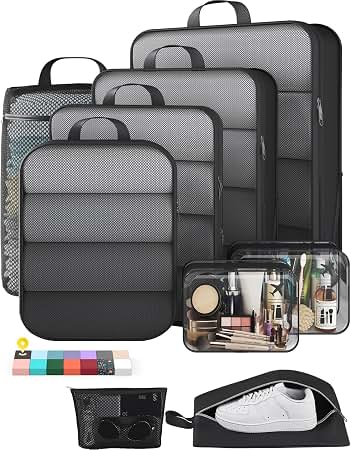 Space Saving Compression Packing Cubes
Product of the Month
Portable Charger, Small Travel Power Bank!
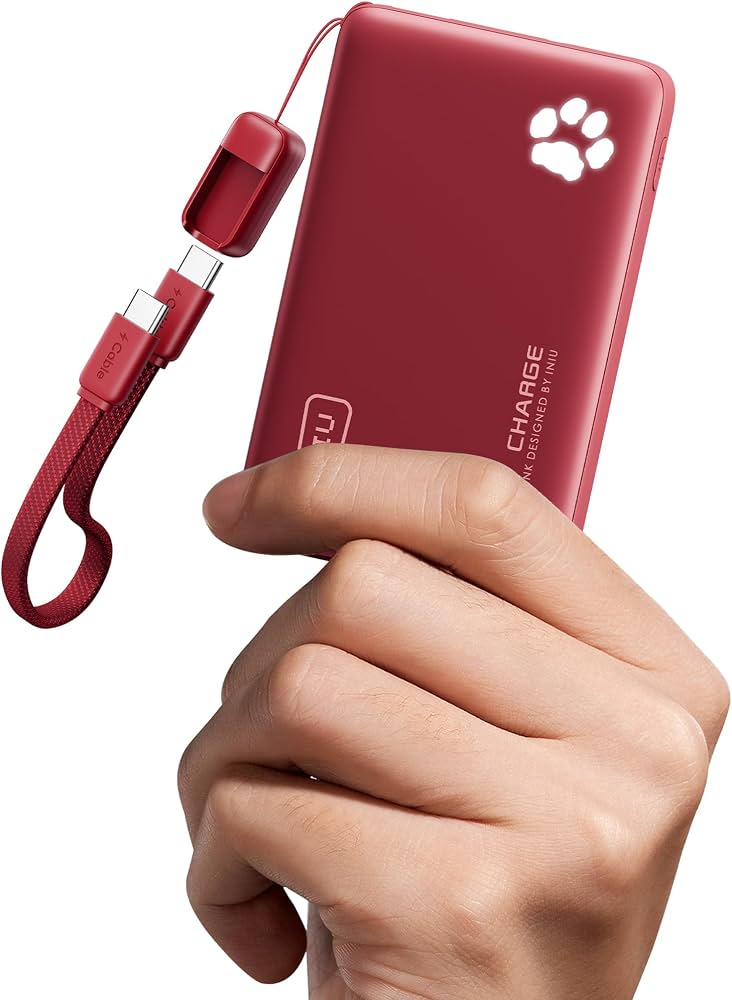
Flight safe, fast charging, portable power charger!
CLICK HERE TO VISIT OUR
ITALIAN ETIQUETTE CHEAT SHEET INFORMATION PAGE.
CLICK HERE TO DISCOVER A HIDDEN SIDE OF ROME -
Tips From An Insider!
Recent Articles


-
The Colosseum in Rome: enjoy one of the best sites to visit in Italy
Sep 08, 26 04:15 AM
 Planning to visit the Colosseum in Rome but not sure where to start? Here are our insider tips on this well-known Roman building to make your visit special.
 -
The Drinking Fountains Of Rome 2026. Safe, Free and Historic!
Sep 08, 26 03:31 AM
 The public drinking fountains of Rome are free, healthy, and a good way to save money. Here's what they are and where to find them.
 -
Where In Italy Is Genoa? It's In The North-West, On The Coast!
Sep 07, 26 07:23 AM
 Where in Italy is Genoa? We tell you exactly where, how to get there, and what to see and do in this amazing city, including some insider tips!