Helping travelers to Italy since 2008
- Home
- Latest News From Italy
News From Italy - The Latest Reports!
August 20, 2026
The mayor of Como has banned riding bicycles in certain areas of the historic Italian city after he was hit by an electric one.
Alessandro Rapinese said the ban was necessary to improve public safety. It means that, from September, cyclists will have to dismount in an area of around 30 streets.
He told Italian news agency Ansa: "People act based on their own experiences and I know what it's like to be hit by one of these beasts."
July 13, 2026
Beaches in Italy have turned to booking systems to tackle overcrowding, with some shores now fully booked until mid-September.
Tourism in Italy is continuing to grow, with the country recording a 4.2 per cent increase in arrivals and a 7.5 per cent increase in overnight stays in the first quarter of 2026, according the Italian National Institute of Statistics.
Small coves in the country are often limited in space, and a number of beaches have introduced visitor caps to manage footfall and protect the natural environment.
In Sardinia, advance booking availability for La Pelosa beach for a maximum of four people for €3.50 (£3) per person is currently sold out until 15 September.
Access to La Pelosa's white sands is limited to 1,500 spaces per day between May and October, and reservations are required to receive a QR Code for beach access.
June 11,2026
According to The Independent newspaper, umbrellas have been banned on a popular Sardinian beach for those aged between 10 and 65 as the authorities implement new strict rules ahead of the summer season.
The council of Villasimius, which sits on Sardinia's southwest tip, has introduced this measure on Punta Molentis beach in an effort to protect the natural environment.
The new rule states that one beach umbrella is allowed to be brought per family unit that has children up to 10 years old.
You can read the full article here.
 Punta Molentis beach.
May 27, 2026
Italy's highest court has decided that a luxury hotel in the Dolomites (Northern Italy) was within its rights to refuse to serve tap water to a hotel guest.
The guest was offered a bottle of mineral water for €7. The court said that the hotel was not under any obligation to serve tap water, and that it was up to each venue to decide.
May 12, 2026
A man was recently fined €500 for diving head first into the Trevi fountain in Rome!

News from Italy April 2026
In a BBC story, construction on Rome's Metro C has uncovered spectacular Roman ruins, and its new "archaeo-stations" are giving visitors a whole new way to experience the city's ancient past. Read the article at the BBC website!
 Rome's Metro C
News from March 26th 2026
La Baia di Ieranto, Sorrentine Peninsula, Italy
Most tourists to the Amalfi Coast envision sandy shores, only to find that its beaches are typically craggy, scattered with sharp pebbles.
For me, that wildness is the appeal. The Amalfi Coast and the neighbouring Sorrentine Peninsula hover over a volcanic caldera, resulting in a topography full of dramatic inlets where swimmers strew beach towels and the atmosphere is pure unbridled joy.
I love La Baia di Ieranto, a secluded bay accessible via a 1.5 mile (2.5km) hillside trail from the village of Nerano. The going is steep (bring water, head out early), but the reward is a sublime panorama of ink-blue water, green cliffs and cerulean sky.
Homeric legends rule Southern Italy; the bay is said to have been home to the treacherous mermaids who tempted Ulysses with their song. Avoid those – just relax by the water, dive off the cliffside promontory and enjoy a panino caprese, bursting with buffalo mozzarella, basil and tomatoes.
The shore is indeed pebbly, so bring water shoes. I always forget and sputter like Yosemite Sam while charging to the water.
Worth it!
Source: BBC News
Latest Rome Colosseum Update!
The following report appeared on March 26th on the BBC News website, regarding the new-look Colosseum renovation:
"Rome's iconic Colosseum has unveiled a striking new appearance following a meticulous restoration that saw parts of its 2,000-year-old columns recreated using the very same travertine marble of ancient Rome.
Once the bustling arena for gladiatorial contests and wild animal spectacles, the ancient amphitheatre continues to captivate, drawing an astonishing 9 million visitors in 2025 alone, making it Italy’s most popular tourist destination.
The recent project concentrated on a semicircular piazza situated outside the main arena. Here, Roman spectators would have gathered beneath two grand arcades, formed by marble columns soaring up to 50 metres (164 feet) high, as they awaited entry to take their seats.
Those arches are long gone, collapsing over the centuries from earthquakes and unstable ground. But now, tourists will be able to sit on large travertine marble slabs where their columns once stood and read reproductions of the Roman numerals that indicated seat sections.
“These blocks of travertine marble are placed, located exactly where the pillars, the original pillars were based,” said Italian architect Stefano Boeri, who designed the piazza. “The idea we had was to give back to the public the perception of the proportion of the arcades and the proportion of the vaults of the arches that were used to enter in the center of the Colosseum.”
Over time, the outside area became filled with detritus, including pieces of ruins, and overgrown with weeds.
Restorers began by digging a meter (yard) to where the travertine paving stones once covered the entrance area. They discovered coins, statues, animal bones and a gold ring. Deeper down is the secret underground passageway where Emperor Commodus used to enter the Colosseum while avoiding the hoi-polloi, and which was opened to the public last year.

Restorers sourced the new slabs of travertine from the same quarries where the ancient Romans retrieved theirs — and that today are used build a new generation of religious buildings, banks, museums, government buildings and private homes.
“From the beginning we understood only one thing and that was that we wanted to be involved,” Fabrizio Mariotti, head of the Mariotti Carlo stonecutting firm that has been carving travertine to order for four generations in Tivoli, said Tuesday while sitting on a slab of the stone.
“For a family like ours that has been working with travertine for four generations, working at the Colosseum, which is the symbol not only of Rome but also of this material, is so important.”
Earlier this year, the city of Rome opened two new subway stations, one deep beneath the Colosseum completing a multi-billion euro metro project. The restoration of the Colosseum’s perimeter was done using compensatory funds from the metro, project officials said."
Source: BBC News 26 March 2026
News from Italy March 2026
There have been a number of changes affecting visitors and tourists to Italy; some are new for 2026 and some are repeated from previous years.
Find out if your trip might be affected in some way, and plan ahead to ensure peace of mind and a smooth experience!
Discover the BEST tours in Italy!
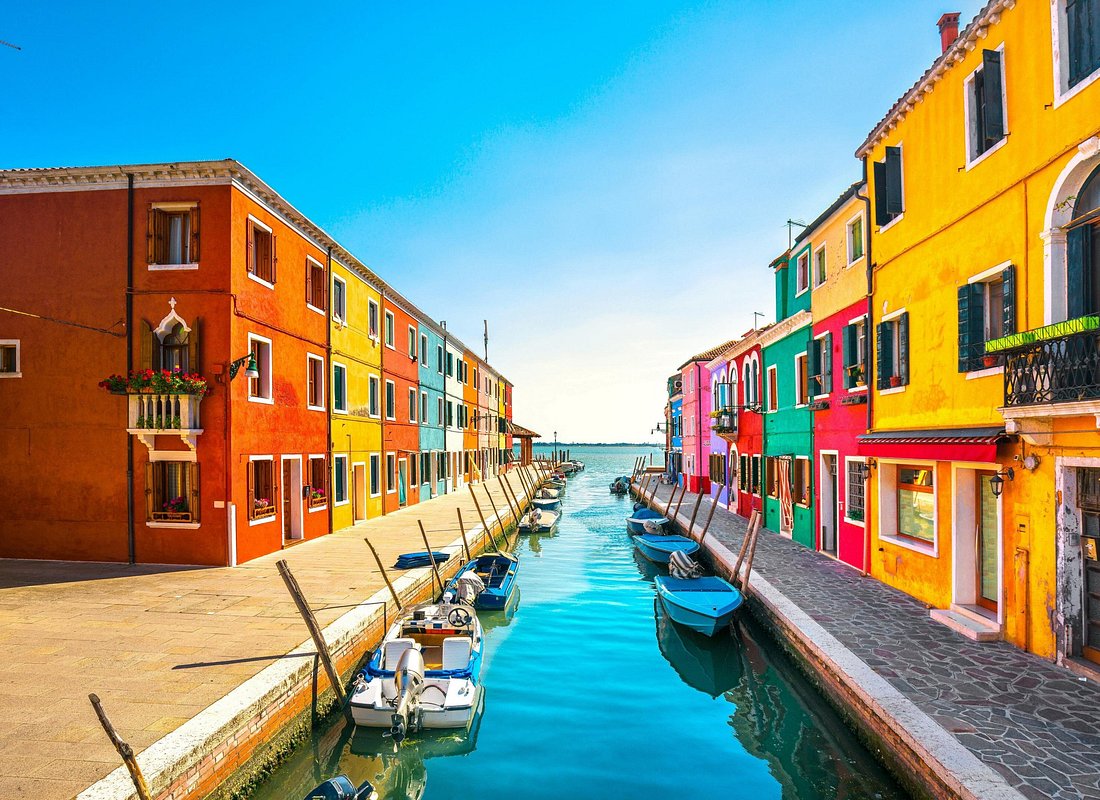
Are you planning a trip to Italy? Why not pre-book a tour with our trusted partner Viator! There are many interesting tours throughout the whole of Italy.
CLICK HERE for the best price and availability.
Latest News From Italy
First, here's the latest update involving actually getting into Italy in the first place - the European Union's entry/exit system, also known as the EU EES.
From April 2026, the European Union's Entry/Exit System will fully operational at Italian airports and land borders.
Under the EU EES, non-EU citizens and non-EU resident card holders - including Americans, Canadians, Australians, and British citizens - must provide biometric data on arrival: fingerprints and a digital photograph. This replaces the traditional passport stamp.
This does not stop you from entering Italy. It is a registration process. But it adds time at the border, especially in the early months while the system is still bedding in. Build extra time into your airport connections and plan for longer queues than usual at passport control.
A separate system - ETIAS - will also eventually require pre-travel authorization for non-EU visitors, similar to the United States' ESTA. ETIAS is expected later in 2026 but no confirmed date has been set. It will not affect travel this summer.
Here is a link to an article on the BBC News website about the possible disruption caused by the introduction of the EU EES and ETIAS
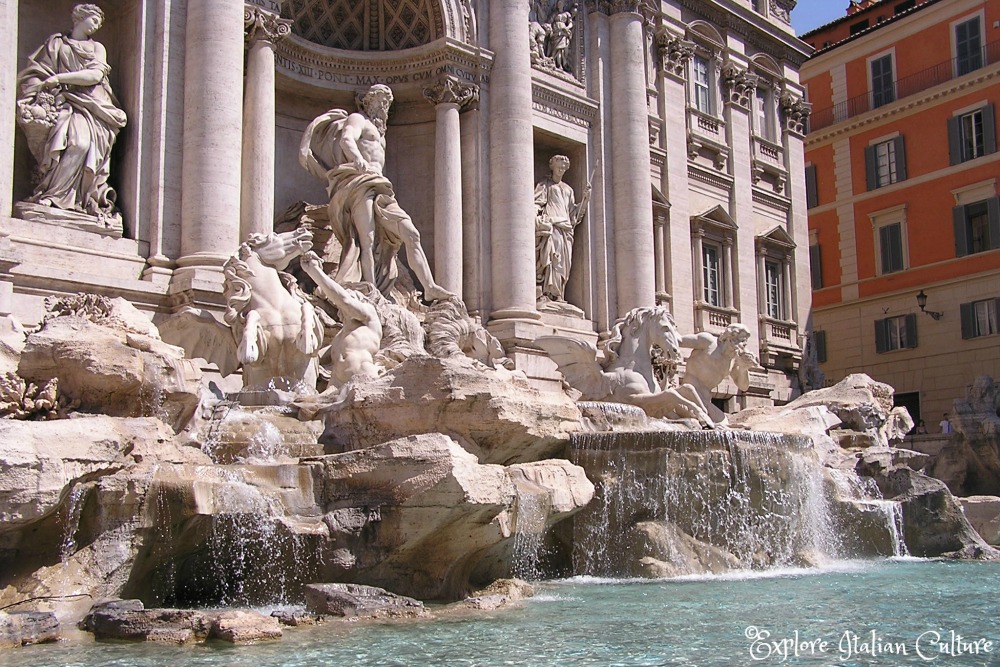 The Trevi Fountain
Rome
Now you have to pay to visit the Trevi Fountain.
For the first time in its 264-year history, you have to pay to stand at the edge of the Trevi Fountain and throw your coin.
The fee is €2. It went into effect on February 2, 2026.
You don't have to pay just to see the fountain. You can look at it from the square above for free. But to go down the steps to the basin - from where you actually throw a coin - you need a ticket. Tickets can be bought on-site or online. The fee applies from 9am to 10pm. After 10pm it is free for everyone.
Rome residents are exempt, as are children under 5 years of age. Everyone else pays.
The city says the fee is expected to bring in €6.5 million per year, which goes toward maintaining the fountain and other monuments in Rome.
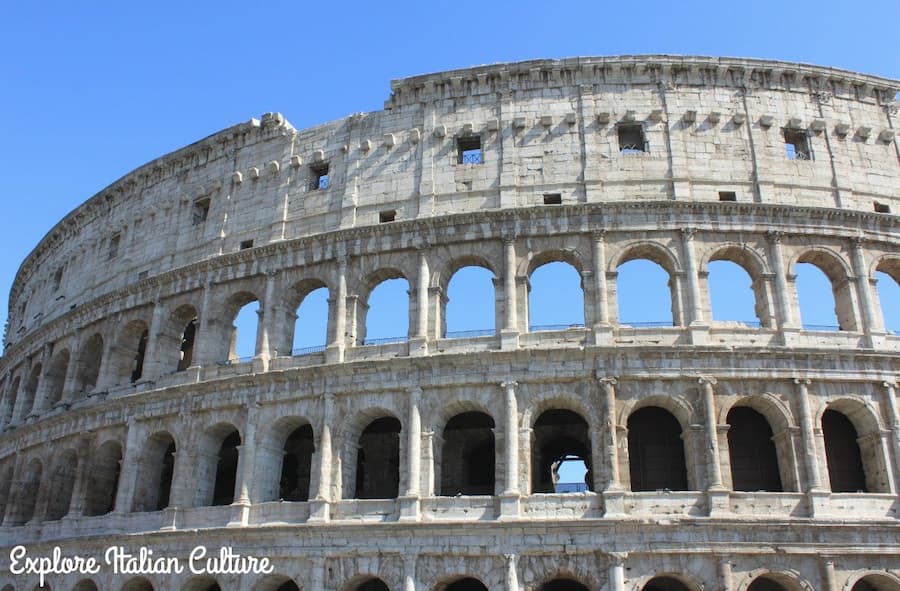 The Colosseum in Rome
The Colosseum
You need a ticket with your name on it for the Colosseum.
This rule has been in place since 2022 but thousands of tourists still arrive without knowing it.
- Every Colosseum ticket must match a passport or national ID.
- Tickets are non-transferable.
- You cannot give your ticket to someone else.
- You cannot change the name on a ticket. If the name on your ticket does not match your ID at the entrance, you do not get in.
Tickets
go on sale 30 days in advance. In peak season, they sell out within
days of going live. If you are visiting between April and September and
you do not have a ticket, you will not get in on that day.
The standard ticket is €18 and includes the Roman Forum and Palatine Hill.
Book only on the official site:
- ticketing.colosseo.it
- or through CoopCulture.
Do not buy from street vendors outside the Colosseum. Many of them are fake.
Latest News From Italy
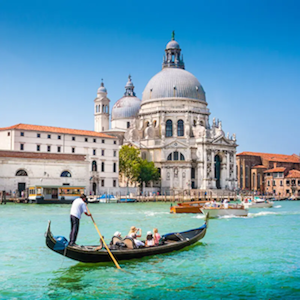
Extended Day Trip fees to visit Venice.
Venice first charged day trippers to enter the city in 2024. In 2026, it is back, expanded, and applies to 60 days between April 3 and July 26.
- The fee is €5 if you register at least 4 days before your visit.
- If you register within 3 days of your visit, the price doubles to €10.
- The fee applies between 8:30am and 4pm on the listed days.
You pay online at: cda.ve.it and receive a QR code. You must show it if stopped by an inspector. The fine for not having one ranges from €50 to €300.
You do not pay if you are staying overnight in Venice, because hotel guests already pay a nightly lodging tax.
Children under 14 are also exempt.
The fee applies to the historic center only. The islands of Murano, Burano, and Torcello are not included.
If your trip to Venice falls between April 3 and July 26, check cda.ve.it for the exact dates before you travel.
News From Italy
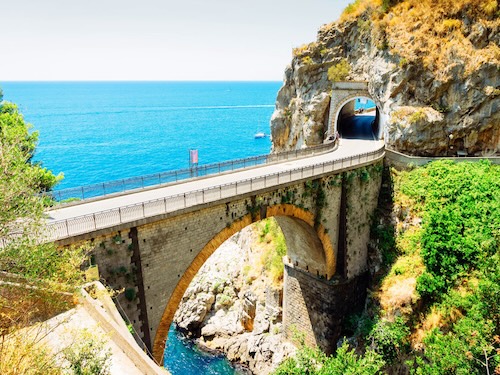 A bridge on the Strada Statale 163
Driving restrictions are back for the period March to October.
If you are renting a car and planning to drive the Amalfi Coast road (Strada Statale 163), you need to know this rule before you book your rental.
Italy uses an odd/even car registration plate system on this road during peak season.
- If your car registration plate ends in an odd number, you can only drive on the 163 road on odd-numbered calendar days; ie. the first, third, fifth, seventh etc. days of the month.
- If your car registration plate ends in an even number, then you can only drive on the 163 on even-numbered days.
- The restriction applies from 10am to 6pm.
The schedule:
- Late March to end of May: weekends and public holidays
- June 1 to July 31: weekends and public holidays
- August and September: every single day
- October: weekends only
Rental cars are included, as are all foreign-registered vehicles. Ignorance of this rule will not be accepted as a valid excuse!
IN ADDITION, camper vans, motorhomes, and vehicles with trailers face a total ban on this road between 6:30am and midnight, year-round.
The fine for violating the restriction is enforced by the local police on the road.
Our honest advice? Do not drive the Amalfi Coast in August! Take the ferry or the SITA bus.
 A yellow Ferrari on SS163
The size of tour groups on Capri will be limited.
Starting in summer 2026, all organized tour groups on Capri will be capped at a maximum of 40 people. Any group larger than 20 must use headphone audio systems for guided explanations.
Megaphones and loudspeakers in public spaces are prohibited.
Capri has also banned single-use plastic water bottles. Bring a refillable metal or hard plastic bottle. Bottles of water bought in shops are not affected; the ban targets single-use plastic brought from outside the island.
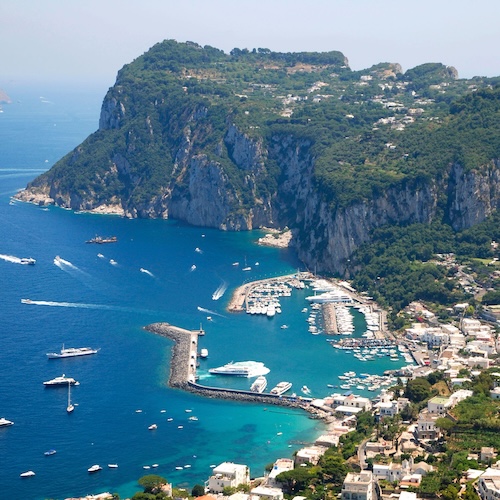 Capri
CapriNews From Italy
The Uffizzi has a new afternoon rate.
From January 1, 2026, a discounted afternoon ticket is available for anyone entering the Uffizi after 4pm. The price is €16, compared to the full-price ticket bought on the day of entry at €25. Pre-booked tickets are €29.
If your schedule is flexible, entering after 4pm saves you up to €13 compared to pre-booking and is significantly cheaper than the standard day ticket. The museum stays open until 6:30pm (last entry at 5pm in most periods), so you still have time to see the main works.
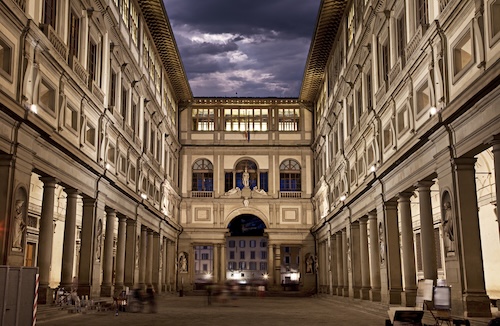 Uffizzi gallery
Sardinia
La Pelosa beach requires reservations!
La Pelosa beach in Stintino, one of the most photographed beaches in Italy, now requires an advance reservation. Daily entry is capped at 1,500 people.
In July and August, slots sell out weeks in advance.
If you show up without a reservation, you will be turned away.
There is also a towel rule. You cannot place a fabric towel directly on the sand. You must use a rigid straw or bamboo mat as a base before putting anything on it.
Wardens patrol the beach daily. The fine for not using a mat is €100 on the spot.
First Sunday of the month
The "free first Sunday of every month" rule still applies to Italian state-run museums, including the Uffizi, Accademia, and many others. These days are completely free but the lines can stretch for hours. If your travel dates happen to fall on the first Sunday of a month, book a timed entry ticket for a different day.
Remember, prices, dates, and rules change. Check official websites before you travel!
March 2026.
Space-Saving Compression Packing Cubes for Travel Essentials!
Simply zip the compression zippers to reduce volume—no extra tools needed. Maximize luggage space efficiently!
Click here for availability and best price!
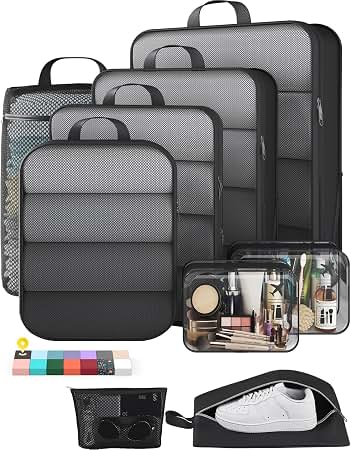 Space Saving Compression Packing Cubes
Product of the Month
Portable Charger, Small Travel Power Bank!
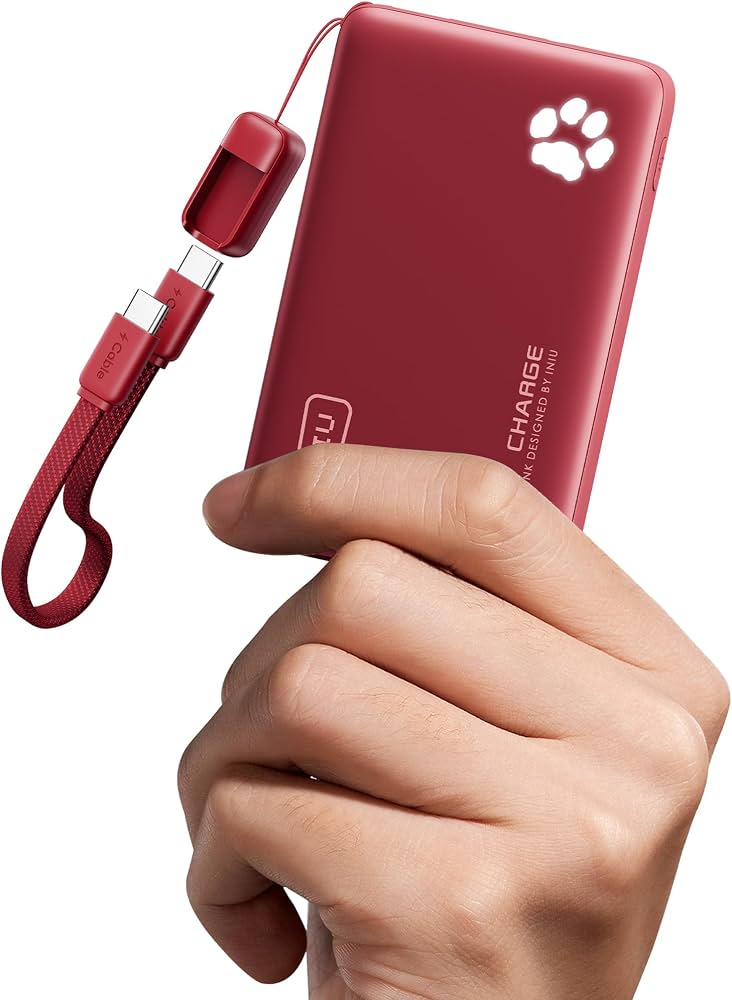
Flight safe, fast charging, portable power charger!
CLICK HERE TO VISIT OUR
ITALIAN ETIQUETTE CHEAT SHEET INFORMATION PAGE.
CLICK HERE TO DISCOVER A HIDDEN SIDE OF ROME -
Tips From An Insider!
Recent Articles


-
The Colosseum in Rome: enjoy one of the best sites to visit in Italy
Sep 08, 26 04:15 AM
 Planning to visit the Colosseum in Rome but not sure where to start? Here are our insider tips on this well-known Roman building to make your visit special.
 -
The Drinking Fountains Of Rome 2026. Safe, Free and Historic!
Sep 08, 26 03:31 AM
 The public drinking fountains of Rome are free, healthy, and a good way to save money. Here's what they are and where to find them.
 -
Where In Italy Is Genoa? It's In The North-West, On The Coast!
Sep 07, 26 07:23 AM
 Where in Italy is Genoa? We tell you exactly where, how to get there, and what to see and do in this amazing city, including some insider tips!