Helping travelers to Italy since 2008
Top Wine Growing Regions in Italy
Top Wine Growing Regions in Italy: Your Guide to Vineyards, Grapes, and Where to Stay
Welcome to Italy's Wine Country
Picture a table set under a pergola, a glass of local red in your hand, and rolling vines stretching to the horizon. That is a day in Italian wine country. Italy makes wine in all 20 of its regions, from Alpine valleys in the north to volcanic slopes in Sicily. That variety makes choosing where to go both exciting and a little overwhelming.
This guide to the top wine growing regions in Italy shows you where to go, what to sip, and how to plan a trip you'll remember.
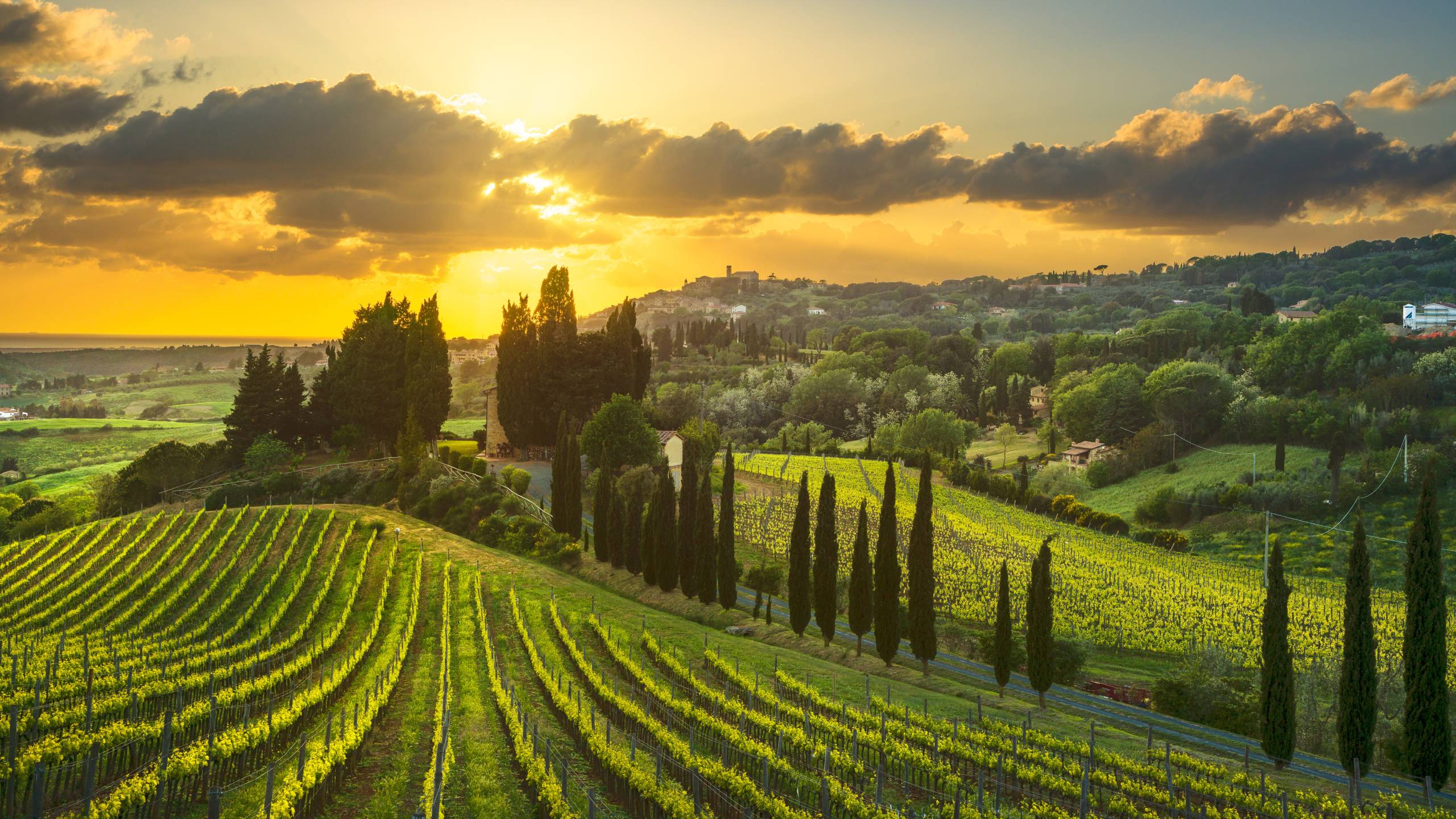 Vineyards in Italy
Discover the BEST tours in Italy!
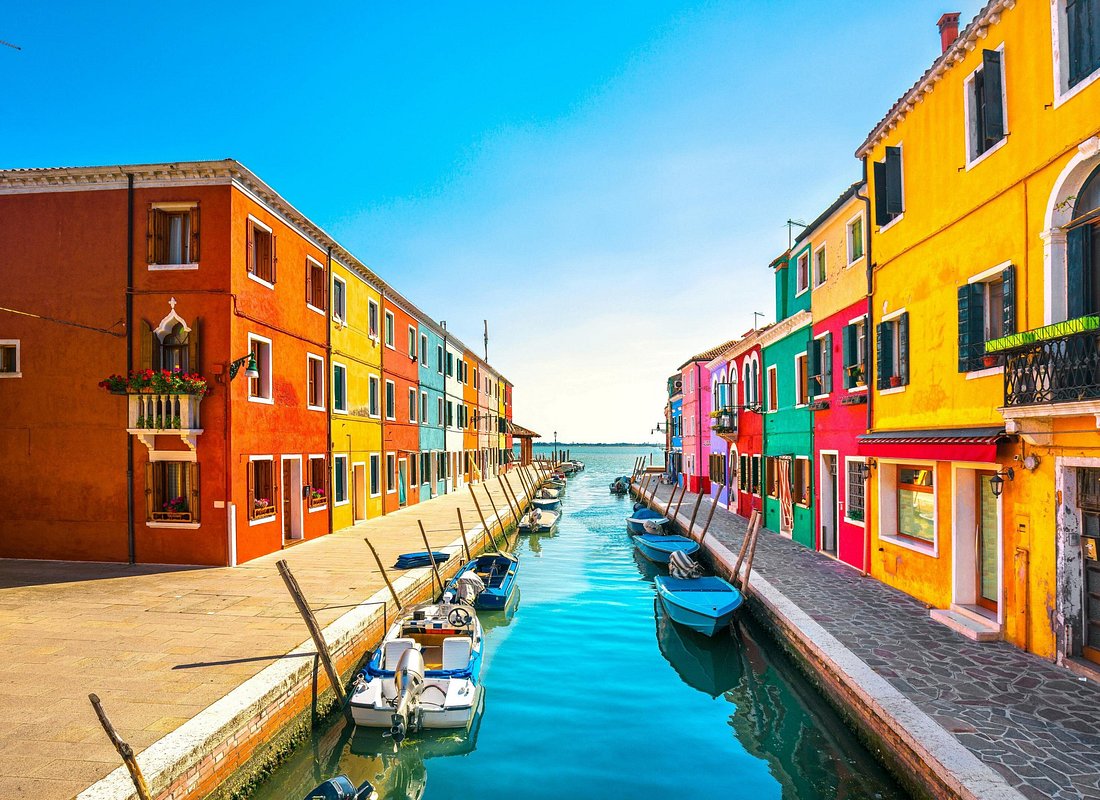
Are you planning a trip to Italy? Why not pre-book a tour with our trusted partner Viator! There are many interesting tours throughout the whole of Italy.
CLICK HERE for the best price and availability.
Top Wine Growing Regions in Italy
A Quick Primer Before You Go
Before we tour the map, it helps to know a few labels. Italian wines carry quality classifications, and you'll see them on bottles and tasting menus all over the country. Knowing them makes any tasting feel less intimidating.
- DOCG: the highest tier, with strict rules on grapes, yields, and aging.
- DOC: a well-defined, regulated zone with its own production rules.
- IGT: a broader category that gives winemakers more creative freedom, and it includes many excellent wines.
So let's explore the top wine growing regions!
1. Tuscany: Cypress Trees and Sangiovese
Tuscany sits in central Italy, and for many travelers it is the first name that comes to mind. Think of postcard hills, cypress-lined roads, and medieval hilltop towns. The region is famous for red wines built on Sangiovese, and it ranks among the top vineyards in Italy for visitors. Its wine areas include Chianti, Chianti Classico, Montalcino, Montepulciano, and the coastal Bolgheri area.
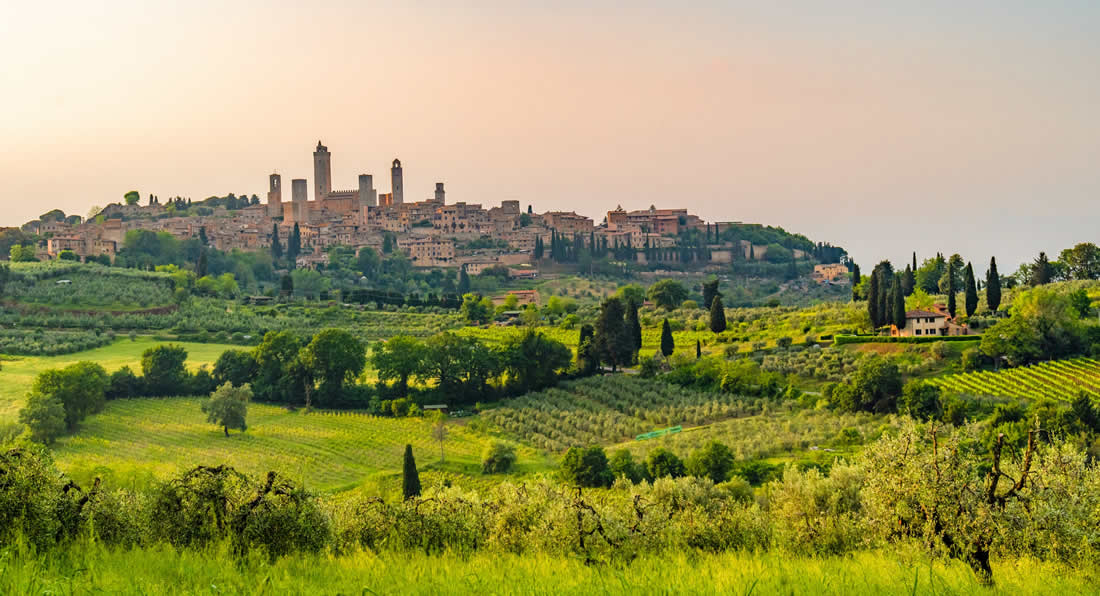
What should you pour first? Start with these signature bottles:
- Chianti Classico: a Sangiovese-based red, often marked with the black rooster (Gallo Nero) symbol.
- Brunello di Montalcino: a bold, age-worthy red made from Sangiovese and required to age for at least five years before release.
- Vino Nobile di Montepulciano: an elegant Sangiovese-based red from the hills around Montepulciano.
- Vernaccia di San Gimignano: a crisp white from the famous towered town.
- Super Tuscans: Bolgheri's celebrated blends, such as Sassicaia and Tignanello (the latter from the Chianti Classico area).
Where to Stay
Florence and Siena make great bases, with plenty of trains, buses, and tour options. If you want to sleep among the vines, try a village like Greve in Chianti or Montalcino, or book an agriturismo (a working farm with guest rooms). Many offer wine tastings, home-cooked dinners, and sunset views over the vineyards.
2. Piedmont: Home of Barolo and Barbaresco
Tucked into northwest Italy at the foot of the Alps, Piedmont (Piemonte) feels a bit more reserved than Tuscany, and wine lovers adore it for that. In autumn, mist drifts through the hills. The word "Nebbiolo", the region's star grape, is often linked to "nebbia", the Italian word for fog. The vineyard landscapes of Langhe-Roero and Monferrato earned UNESCO World Heritage status in 2014, so you're visiting one of the most celebrated stretches of wine country on the planet.
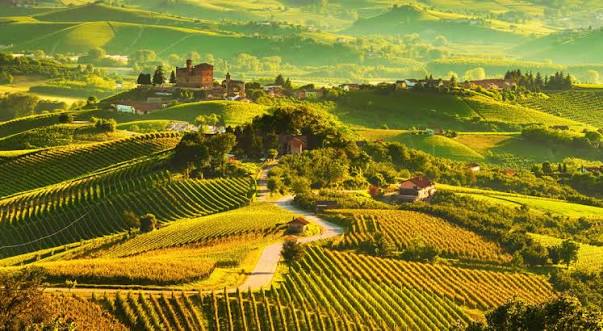 Piedmont Wine Region
Here's what to look for on a Piedmont tasting list:
- Barolo: a powerful Nebbiolo red, often nicknamed the "king of wines."
- Barbaresco: another Nebbiolo wine, usually a touch softer and more refined.
- Barbera and Dolcetto: friendly, food-loving reds that you'll see at everyday meals.
- Moscato d'Asti: a lightly sparkling, sweet white with delicate aromas.
- Gavi and Roero Arneis: fresh, aromatic whites made from Cortese and Arneis.
Where to Stay
For a base, Alba is a popular pick. It's a lively town with great restaurants and easy access to Barolo and Barbaresco villages like La Morra and Barolo itself. Asti works well if you're interested in Monferrato.
Visiting in October or early November? Alba hosts its famous white truffle festivities, so book rooms early. It's a delicious pairing of wine and food.
3. Veneto: Bubbles, Amarone, and Romance
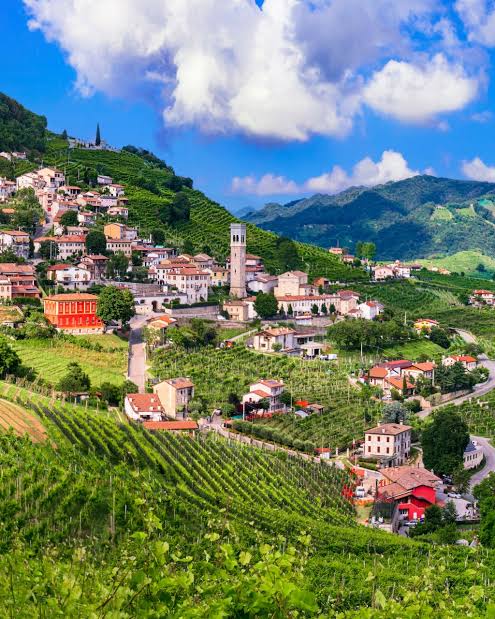 Valdobbiadene the home of Prosecco
Veneto, in northeast Italy, is a powerhouse of production and a joy to explore. It stretches from the shores of Lake Garda to the hills north of Venice. This region is a must in any Italian wine regions guide because it's home to Prosecco, one of the world's most popular sparkling wines.
The Prosecco Superiore hills of Conegliano and Valdobbiadene were recognized by UNESCO in 2019, so the scenery is as impressive as the bubbles.
Mogsy and Richard, owners of this website have taken part in the Prosecco Running Festival - running a half marathon through the vineyards of the Valdobbiadene region with prosecco drink stops along the way! Read their review here on their sister website www.swimrun-advice.com.
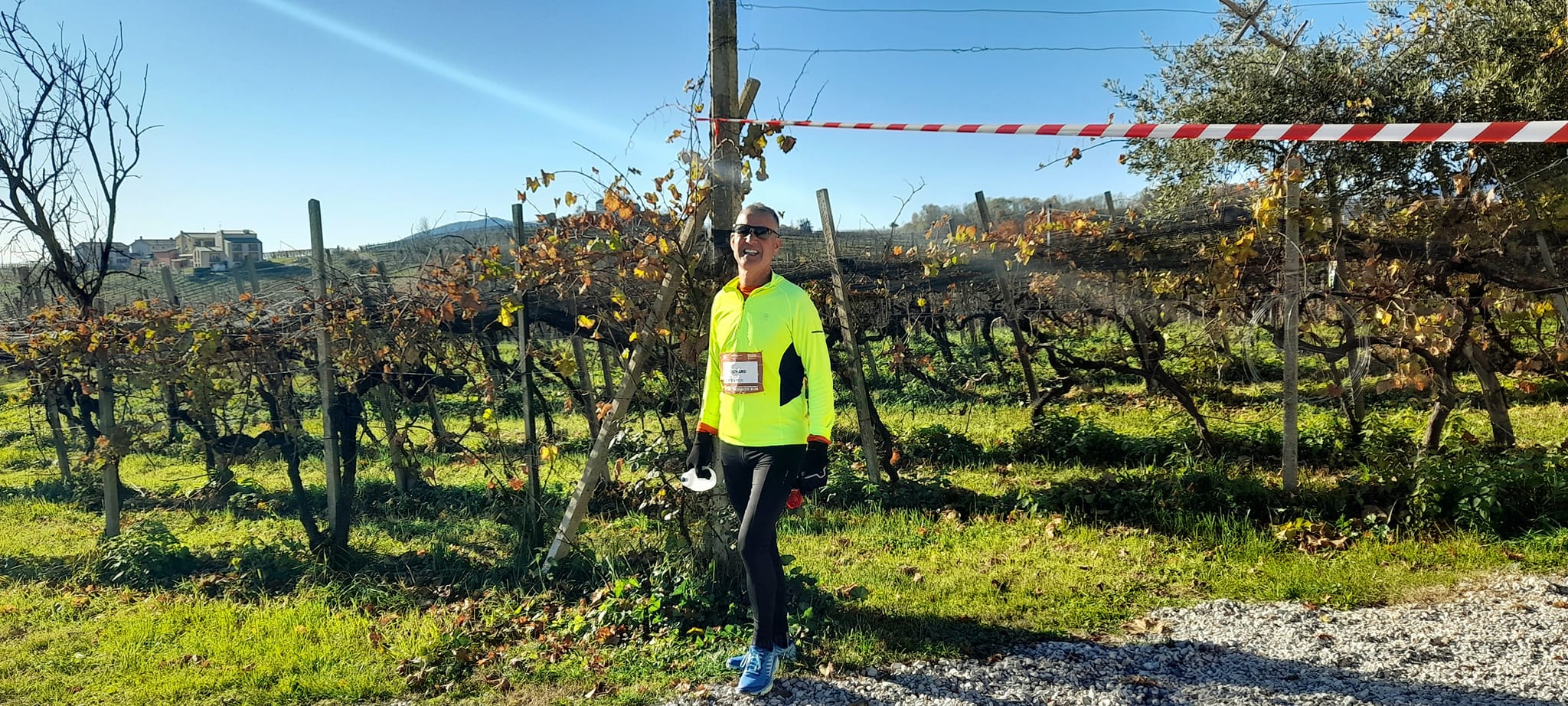 Richard running in the vineyards in the Prosecco Run!
Veneto has a lot more to offer than Prosecco. Take a look:
- Prosecco: a sparkling wine made mainly from the Glera grape.
- Amarone della Valpolicella: a rich red made from partially dried grapes, mostly Corvina, Rondinella, and Molinara.
- Valpolicella and Bardolino: lighter, fruitier reds that are easy to love.
- Soave: a lively white made mainly from Garganega.
Where to Stay
Verona is a wonderful base for Valpolicella, Soave, and Lake Garda. Treviso or the town of Valdobbiadene suits Prosecco fans best.
4. Sicily: Volcanic Soils and Island Flavors
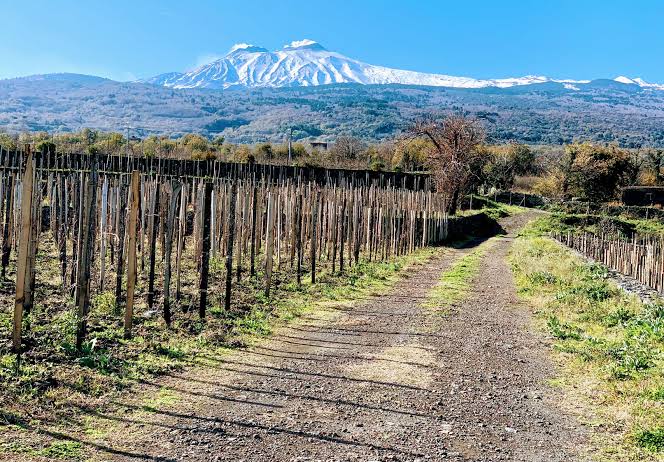 The Etna Wine Route
Sicily, the large island off Italy's southern tip, has become a hot spot for adventurous wine travelers. Its vineyards range from sunny coastal plains to the slopes of Mount Etna, Europe's tallest active volcano. Etna's volcanic soil and high elevation produce wines with real character, including the red Nerello Mascalese and the white Carricante.
Across the island, you'll also find Nero d'Avola (a signature red), Frappato, Grillo, and Marsala, the famous fortified wine from the west.
Where to Stay
Base yourself in Catania or Taormina for Etna, Palermo for the west, or Ragusa for the southeast. Spring and fall are lovely times to visit, and the harvest runs from late summer into autumn.
Top Wine Growing Regions in Italy
5. Friuli-Venezia Giulia: White Wine Heaven
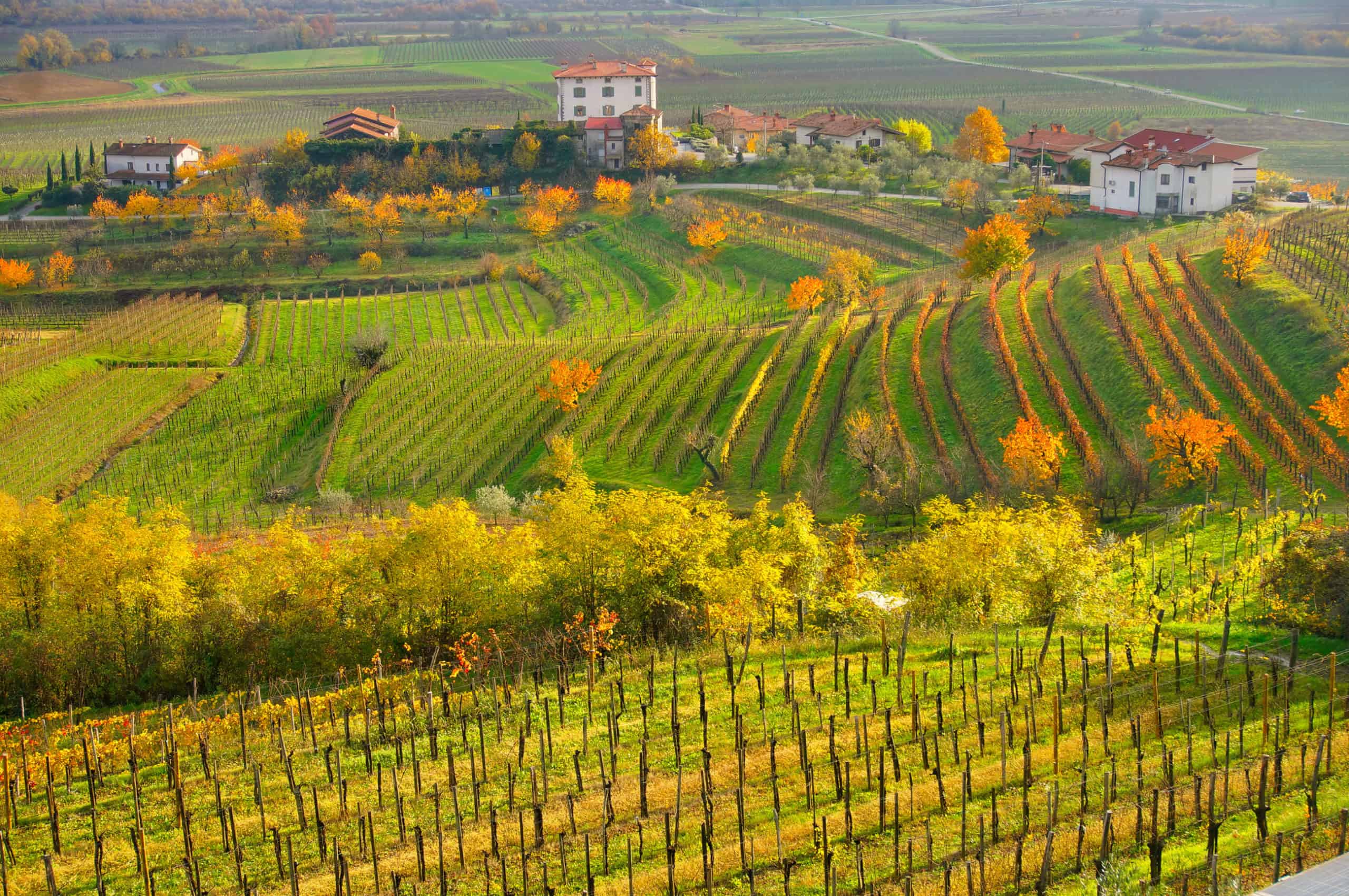 Friuli-Venezia Giulia Wine Region
Tucked into Italy's northeast corner, bordering Slovenia and Austria, Friuli-Venezia Giulia is a favorite of white wine lovers. The Collio and Colli Orientali del Friuli areas are best known for crisp, aromatic whites such as Friulano, Ribolla Gialla, and Pinot Grigio.
Interested in a laid-back, uncrowded trip? Base yourself in Udine, Cormons, or Gorizia, and enjoy small family wineries and hearty local food.
Trieste, on the coast, adds a seaside option.
6. Trentino-Alto Adige: Alpine Wines and Two Cultures
In the far north, the Dolomite mountains frame vineyards in Trentino-Alto Adige (also called Südtirol). The region blends Italian and Austrian culture, so you may hear both languages and see menus in each. Its cool climate suits fresh whites like Pinot Grigio, Pinot Bianco, and Gewürztraminer, a grape tied to the village of Tramin (Termeno).
Reds include Lagrein, Schiava, and Teroldego. Trento DOC is a respected sparkling wine made in the traditional method.
Bolzano and Trento make excellent bases, and summer and early autumn bring hiking and wine tasting into the same trip.
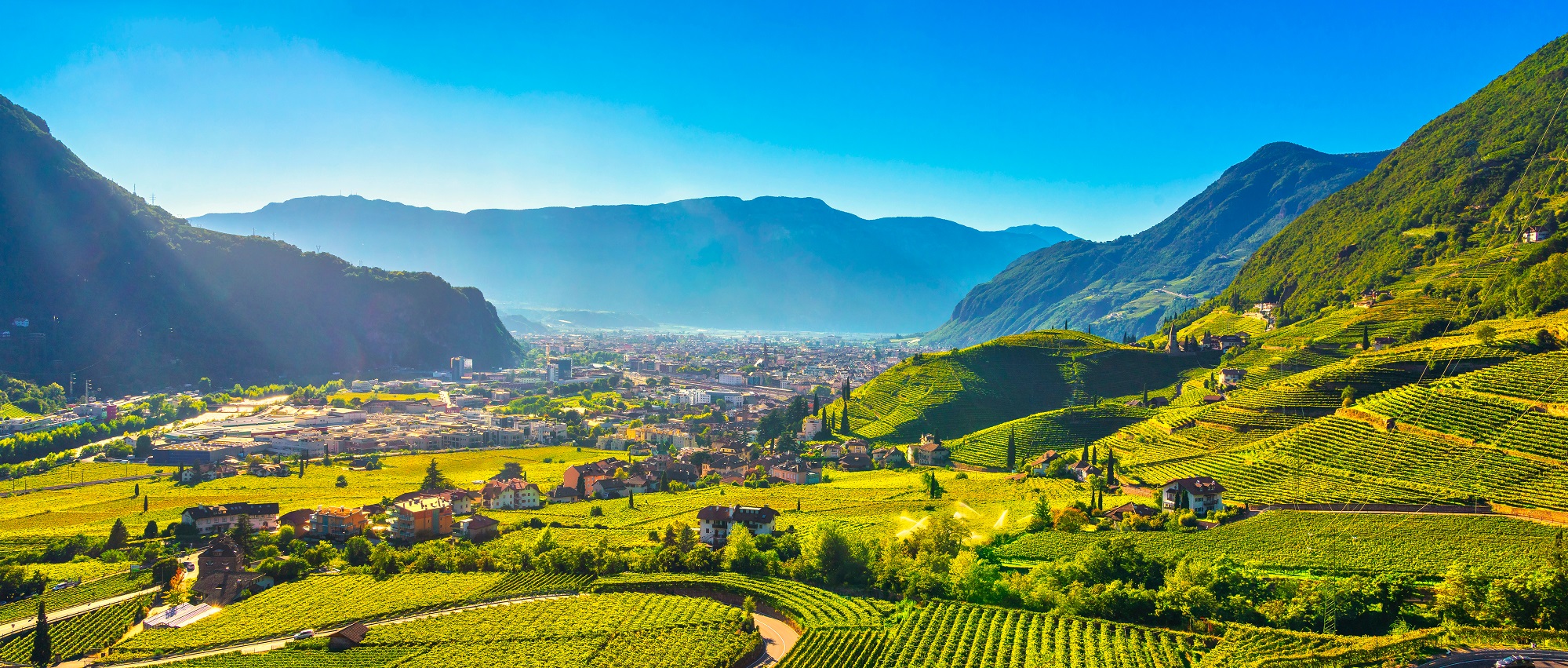 Trentino-Alto Adige Wine Region
7. Campania: Ancient
Grapes Near Vesuvius
Campania, home to Naples and the Amalfi Coast, has one of Italy's oldest wine traditions. Its signature grapes include Aglianico (red), Fiano, Greco, and Falanghina (whites).
Look for "Taurasi", a structured Aglianico often called the "Barolo of the South," along with "Fiano di Avellino" and "Greco di Tufo". You can also taste wines grown near Mount Vesuvius, including Lacryma Christi.
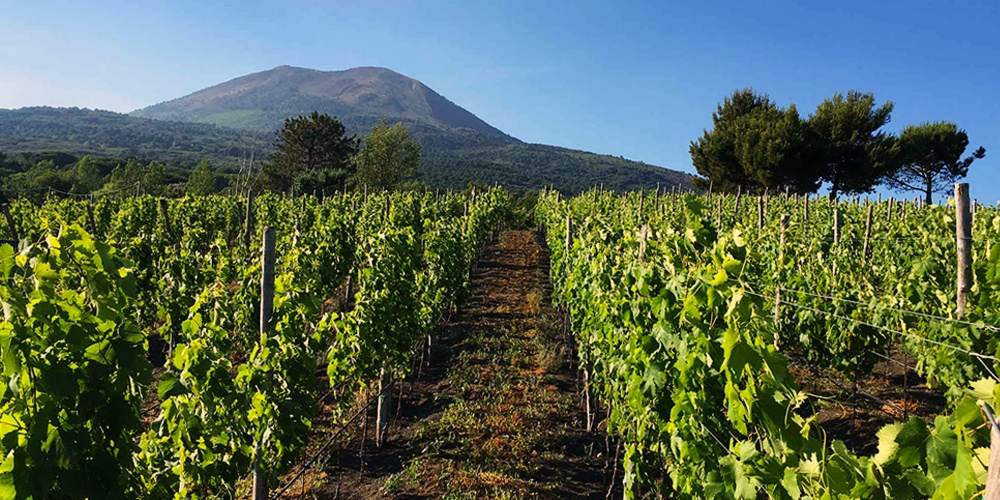 Caprettone, a wine from Vesuvius
Where to Stay
Base yourself in Naples, Salerno, or Avellino, and pair your tastings with ancient sites and coastal views.
8. Puglia: Sun-Soaked and Full-Bodied
Puglia forms the heel of Italy's boot, with warm sunshine, olive groves, and whitewashed towns. It's known for generous, fruit-forward reds. "Primitivo" (from Manduria, among other areas) is genetically related to California's Zinfandel. "Negroamaro", found in wines like Salice Salentino, and "Nero di Troia" round out the picture.
Lecce, Bari, and the Valle d'Itria area (near Alberobello and Ostuni) all make comfortable bases. It's a good choice if you want wine, beaches, and relaxed southern hospitality in one trip.
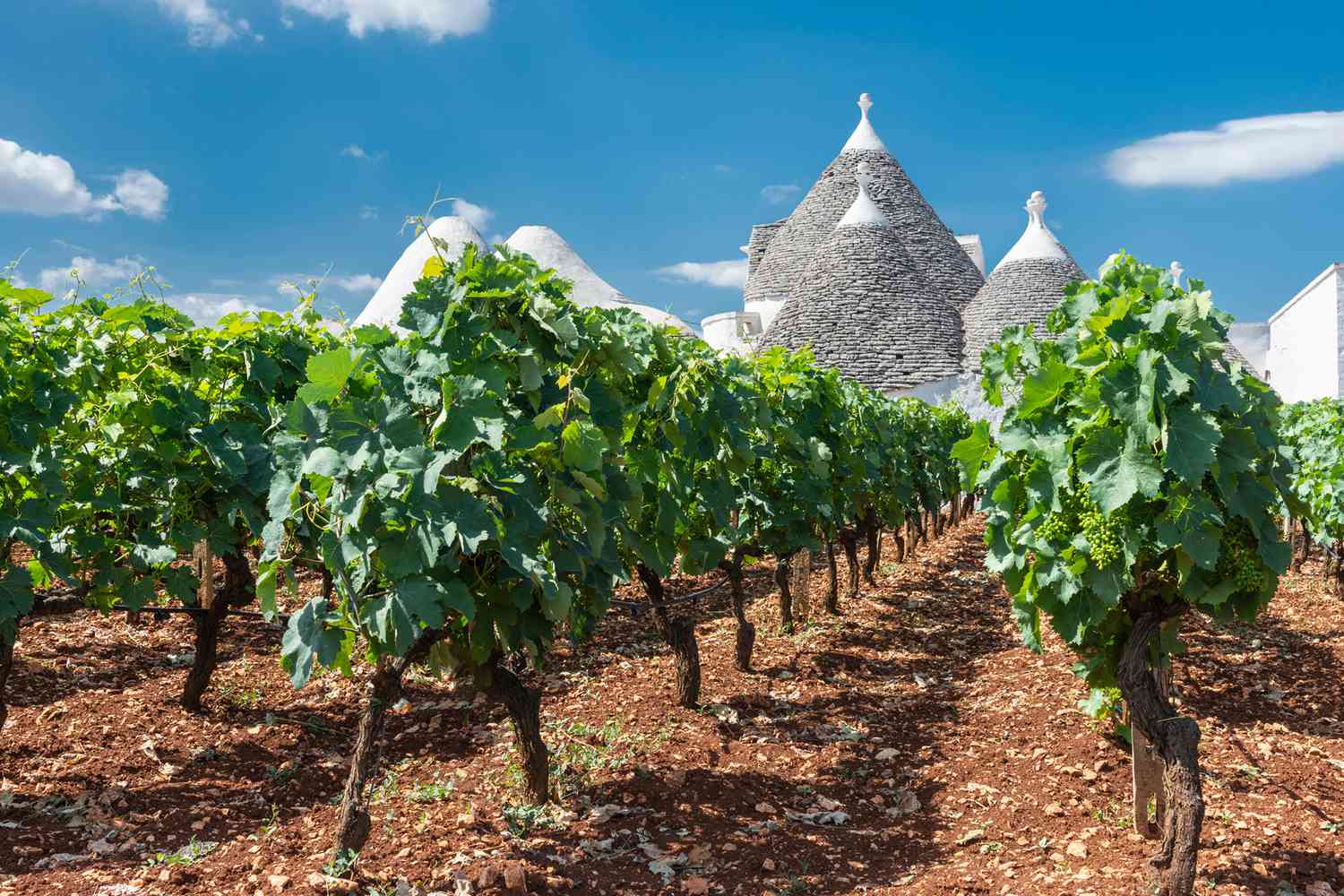 Vineyards of Puglia
9. More Regions Worth Knowing
If you have extra time, add one of these to your list:
- Franciacorta (Lombardy): a sparkling wine area near Lake Iseo, with DOCG wines made in the traditional method from Chardonnay, Pinot Nero, and Pinot Bianco.
- Umbria: home to Orvieto whites and Sagrantino di Montefalco, a bold red.
- Abruzzo: known for Montepulciano d'Abruzzo, a friendly, approachable red.
- Sardinia: known for Vermentino whites and Cannonau reds.
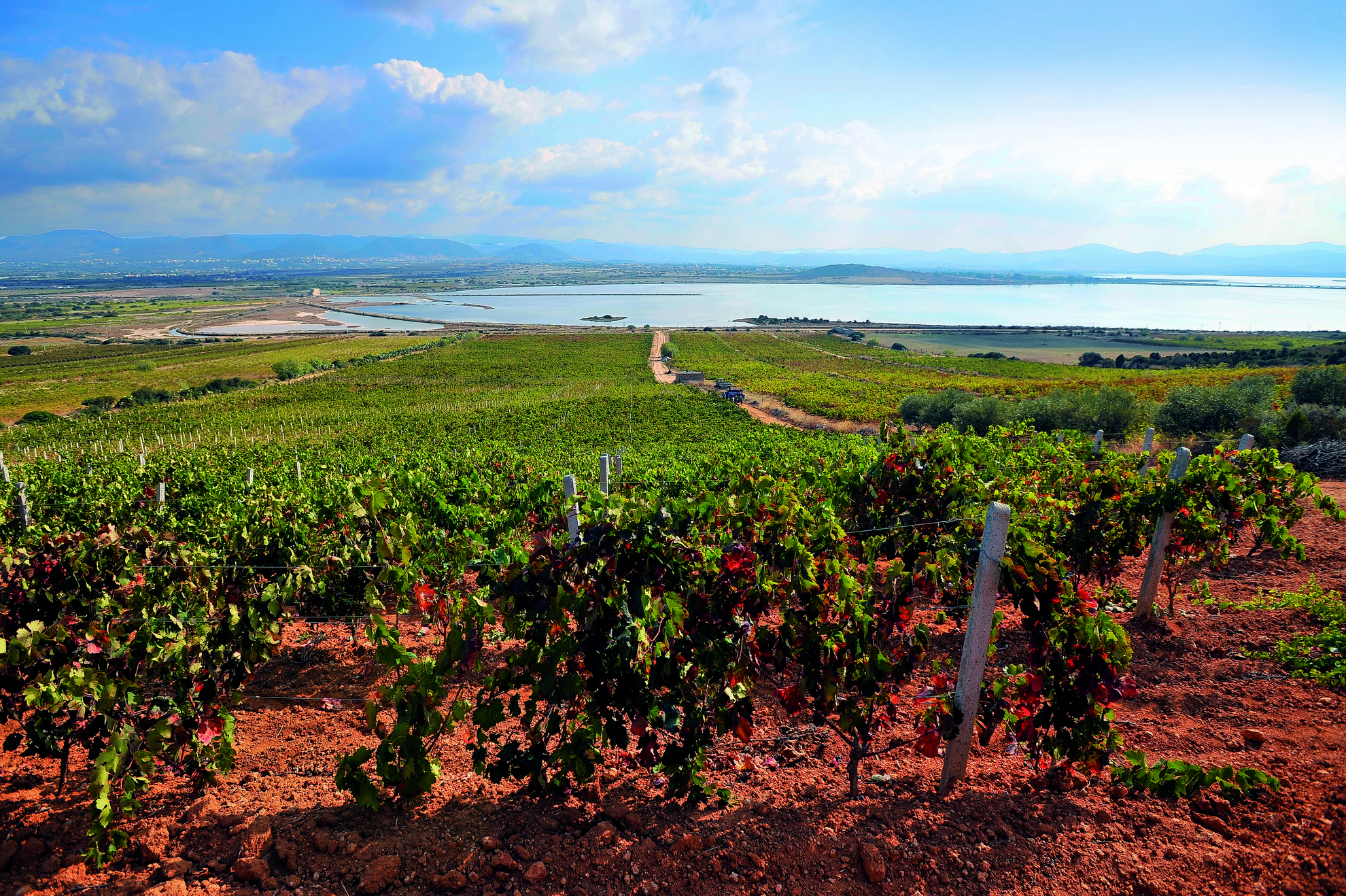 Sardinia Wineries
Top Wine Growing Regions in Italy
When Should You Go?
Every season offers something. Here's a quick breakdown:
- Spring (April to June): mild weather, green vines, and fewer crowds. It's lovely for tastings and photos.
- Summer (July to August): hot and busy. Southern regions can be very warm, and many Italians vacation in August, so some smaller wineries close around mid-August.
- Early autumn (September to October): harvest season, or "vendemmia". It's the most atmospheric time to visit, but also the busiest, so book early.
- Winter (November to March): quieter and cozier, with lower prices. Some wineries have limited hours, so check ahead.
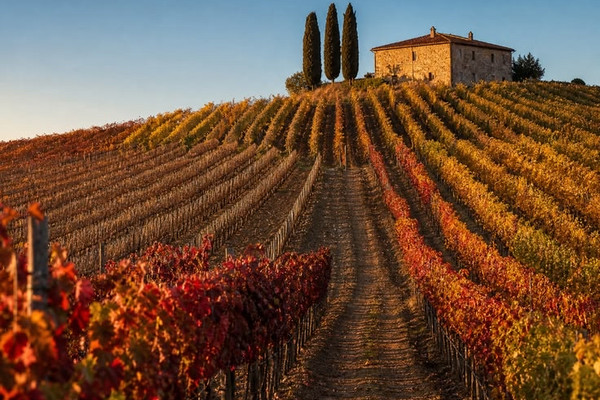 Tuscany's golden hills and vineyards in Autumn
Where to Base Yourself
Choosing a home base saves time and stress. Use this quick list when planning your trip:
- Tuscany: Florence, Siena, Montalcino, or Greve in Chianti
- Piedmont: Alba or Asti
- Veneto: Verona or Treviso
- Sicily: Catania, Taormina, or Palermo
- Friuli-Venezia Giulia: Udine, Cormons, or Trieste
- Trentino-Alto Adige: Bolzano or Trento
- Campania: Naples or Salerno
- Puglia: Lecce, Bari, or the Valle d'Itria
Tips for Visiting a Vineyard
Ready to book? A little planning goes a long way, especially at the top vineyards in Italy. Many wineries, especially smaller family estates, welcome visitors by appointment only. Reach out a few days (or weeks, in harvest season) ahead by email or phone.
Ask about tasting fees, tour length, and whether lunch or snacks are included. Remember that some places close for a midday break, so don't count on a walk-in visit.
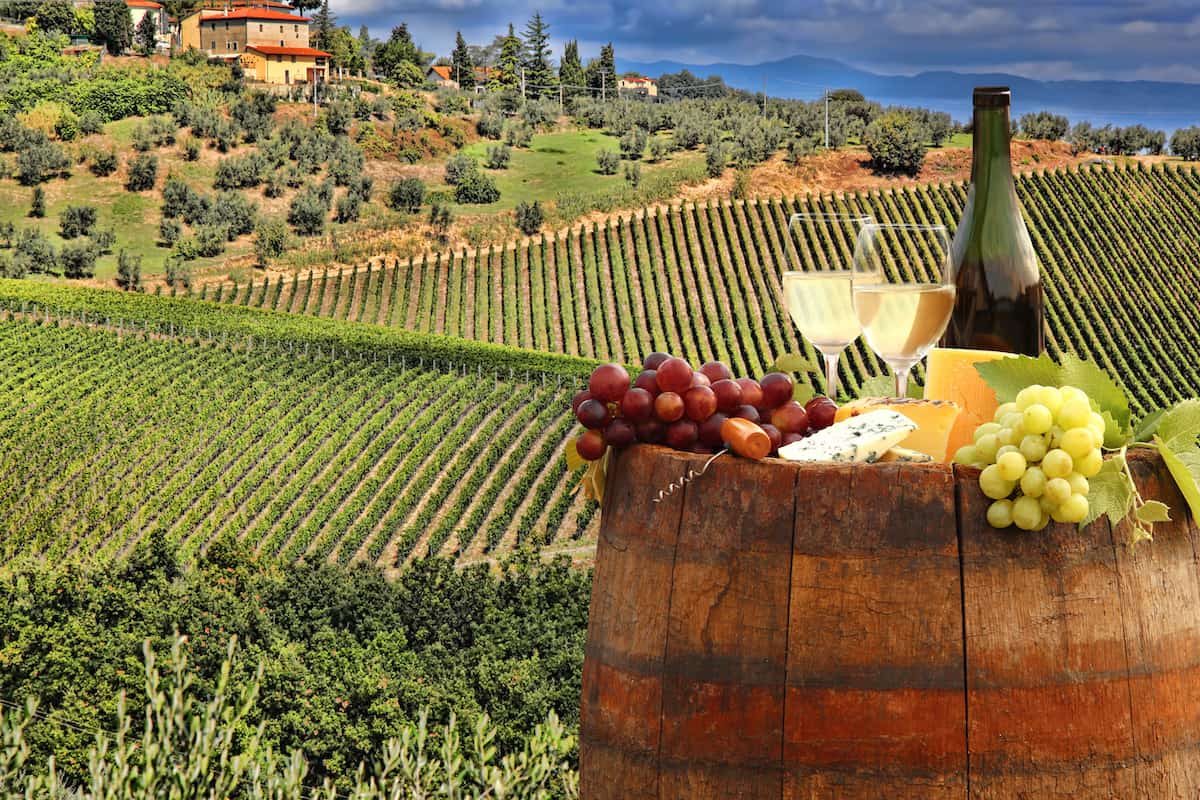 Wine Tasting in Italy
Here are a few more tips to make your visit smooth:
- Plan your transport: arrange a driver, a guided tour, or a taxi so everyone can enjoy the tastings safely.
- Pace yourself: two or three tastings a day is plenty. Spitting is perfectly normal and acceptable.
- Eat well: pair your wine with local food. Many estates serve cheeses, cured meats, and olive oil.
- Ask questions: Italian winemakers love sharing their stories, so ask what makes their vineyard special.
- Leave luggage room: you'll want to bring bottles home. Ask about shipping if you buy a lot.
Which Region Is Right for You?
Not sure where to begin? Choose by travel style.
If you love classic scenery and big reds, Tuscany and Piedmont are hard to beat.
Do you prefer sparkling wine and romantic cities? Veneto and Franciacorta fit the bill.
Adventure seekers will enjoy Sicily and Campania, while white wine fans should look to Friuli-Venezia Giulia and Trentino-Alto Adige.
Craving warm weather and easygoing charm? Head to Puglia.
Whatever you choose, an Italian wine regions guide like this one gives you a strong place to start.
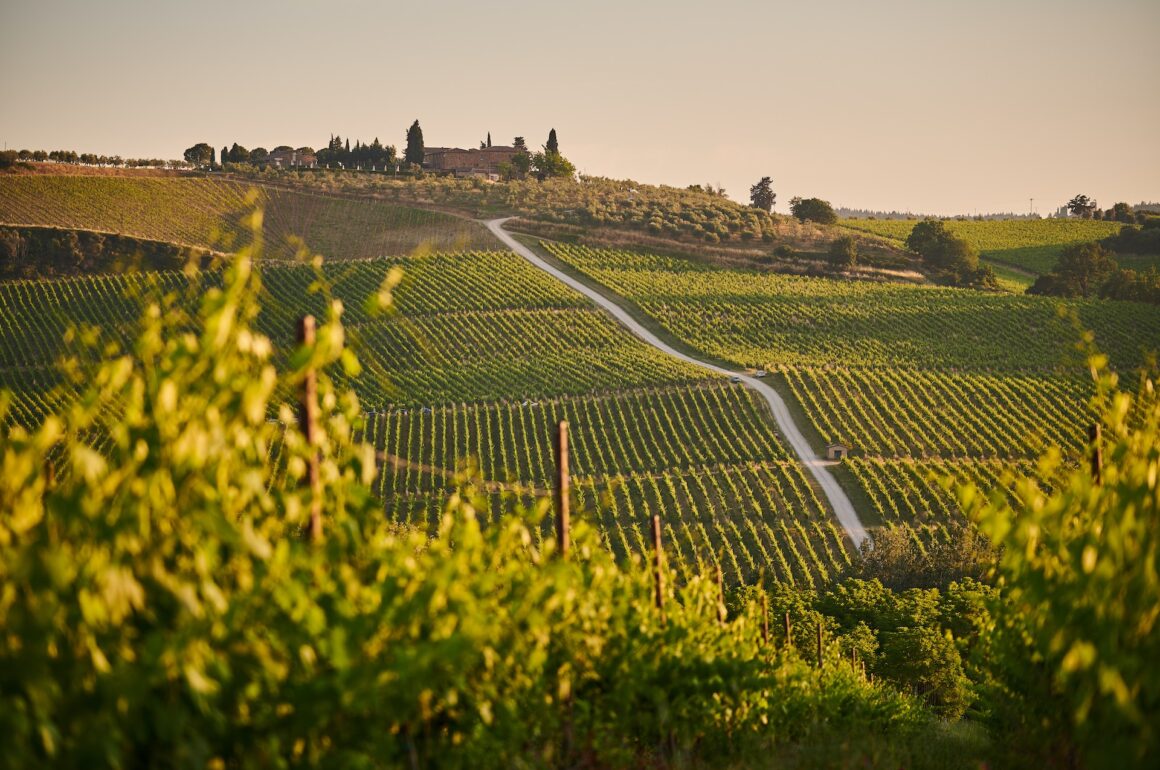 Wine Growing Regions of Italy
Summary: Your Italian Wine Adventure Awaits
To sum up, the top wine growing regions in Italy each offer something special.
Tuscany brings Sangiovese and iconic hills, Piedmont delivers Barolo and Barbaresco, Veneto pours Prosecco and Amarone, and Sicily surprises with volcanic wines. Friuli-Venezia Giulia shines for whites, Trentino-Alto Adige mixes Alpine scenery with two cultures, Campania offers ancient grapes, and Puglia serves up sunny, full-bodied reds.
Pick a home base, book your tastings in advance, and aim for spring or harvest season for the best experience. Which region will you explore first?
Start planning, raise a glass, and say "salute"!
 Salute!
Space-Saving Compression Packing Cubes for Travel Essentials!
Simply zip the compression zippers to reduce volume—no extra tools needed. Maximize luggage space efficiently!
Click here for availability and best price!
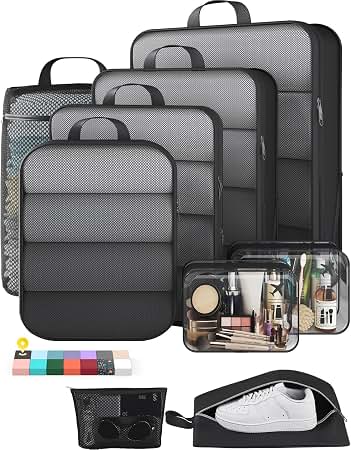 Space Saving Compression Packing Cubes

Get the best Car Rental Deal Worldwide!

Check out our Global car rental platform with 1,000+ trusted brands for every kind of rental!
Read more and get the best price here!
CLICK HERE TO VISIT OUR
ITALIAN ETIQUETTE CHEAT SHEET INFORMATION PAGE.
CLICK HERE TO DISCOVER A HIDDEN SIDE OF ROME -
Tips From An Insider!
Recent Articles


-
Top Wine Growing Regions in Italy
Nov 01, 26 04:36 AM
 Top Wine Growing Regions in Italy: Your Guide to Vineyards, Grapes, and Where to Stay - Which region will you explore first? Start planning and raise a glass!
-
Currency in Italy: what does it look like and where's best to get it?
Oct 20, 26 03:13 AM
 The currency in Italy 2026: All you need to know about the Italian Euro: what it's worth and the most cost-effective ways of getting money in Italy.
-
Things To Do In Venice - Plus Hidden Gems Off The Beaten Path
Sep 22, 26 02:58 AM
 Discover unique things to do in Venice off the beaten path, as well as the major sights and attractions you shouldn't miss!