Helping travelers to Italy since 2008
- Home
- Things to Do in Rome
- Life in Ancient Rome Culture Rituals
Life in ancient Rome:
culture, rituals and events
Life in Ancient Rome: Culture, Rituals
Have you ever wondered what it was really like to live in ancient Rome? We're talking about one of the greatest civilizations the world has ever seen — a place full of drama, spectacle, tradition, and everyday moments that might surprise you.
Life in ancient Rome: culture, rituals and events covers an enormous range of topics, from the grandeur of the Colosseum to the intimate details of a Roman wedding. Whether you're a student, a history buff, or just someone who's curious, you're in the right place.
This page is your starting point for exploring all the fascinating corners of Roman life. Think of it as your guide to a world that existed over two thousand years ago but still shapes so much of how we live today.
We've put together a collection of in-depth pages that each dive into a specific aspect of ancient Roman society and customs. Below, you'll get a quick taste of each one — and then you can follow the links to learn more.
Life in Ancient Rome:
Culture, Rituals and Events
Before we jump in, let's set the scene. Ancient Rome wasn't just an empire — it was a living, breathing society with millions of people going about their daily lives.
They had jobs, families, hobbies, and traditions. They argued, celebrated, worshipped, and grieved. In many ways, they weren't so different from us. That's what makes studying aspects of Ancient Rome so endlessly fascinating.
Ancient Roman Culture: The Big Picture
If you want to understand Roman life, you've got to start with culture. Roman culture was a rich blend of art, philosophy, religion, politics, and social structure. It borrowed heavily from the Greeks but developed its own unique identity over centuries.
Our page on ancient Roman culture gives you a broad overview of what made Roman civilization tick — and why it still matters today.

Ancient Roman Daily Life (Part 1): How Romans Spent Their Days
What did an average Roman actually do from morning to night? You might be surprised. Romans had a very structured day, starting before sunrise and winding down in the afternoon.
Our first page on ancient Roman daily life walks you through the routines, the social classes, and the rhythms that shaped everyday existence in the city of Rome.
Life in Ancient Rome:
Culture, Rituals and Events
Ancient Roman Daily Life (Part 2): Going Deeper
There's so much to say about daily life in Rome that we needed two pages to cover it all! Our second page on ancient Roman daily life goes deeper into topics like food, housing, work, and leisure.
You'll discover what Romans ate for breakfast, what their homes looked like, and how they spent their free time. It's the kind of detail that really brings history to life.
Map of Ancient Rome: Finding Your Way Around
Rome wasn't built in a day, and it definitely wasn't small. At its peak, the city was home to over a million people and covered an enormous area.
Our map of ancient Rome page helps you get your bearings, showing you where the key landmarks, neighborhoods, and structures were located. It's a great visual tool for understanding how the city was organized and why certain areas were so important.
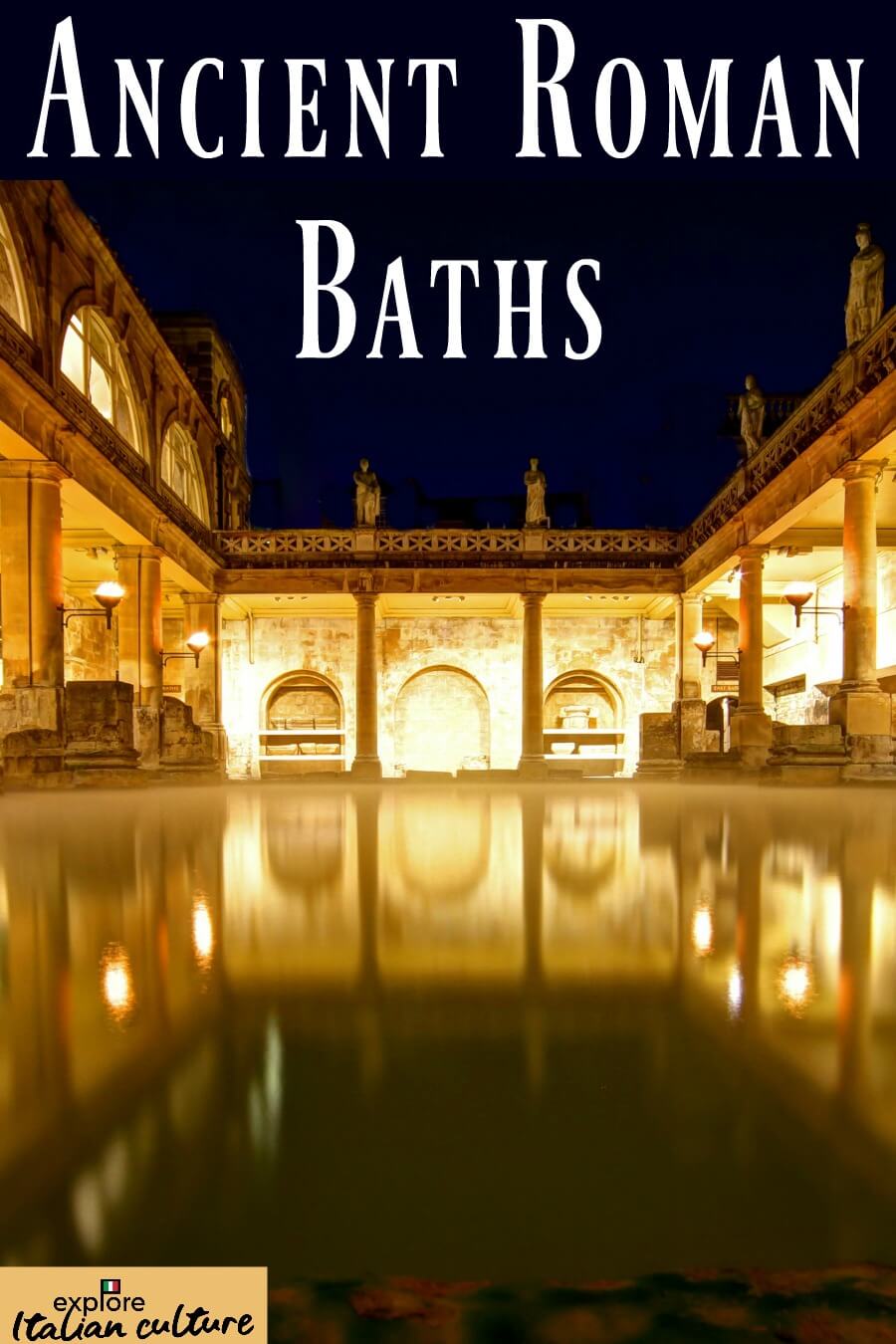
Ancient Roman Baths: More Than Just Getting Clean
Here's something that might blow your mind — the Roman baths were basically the social media of their day. Everyone went there, not just to wash, but to gossip, do business, exercise, and relax.
Our page on ancient Roman baths explores these incredible public spaces in detail. You'll learn about how they worked, what you'd find inside, and why they were so central to Roman social life.
The baths were open to almost everyone, regardless of social class. For just a small coin — or sometimes for free — you could spend hours in a complex that included hot rooms, cold pools, steam rooms, libraries, and even snack bars.
It's fair to say that the Romans took bathing to a whole new level, and understanding the baths is key to understanding life in ancient Rome: culture, rituals and events as a whole.
Life in Ancient Rome:
Culture, Rituals and Events
The Ancient Roman Colosseum: The Greatest Show on Earth
When people think of ancient Rome, the Colosseum is often the first image that comes to mind — and for good reason. This massive amphitheater could hold up to 80,000 spectators and hosted some of the most spectacular events in human history.
Our page on the ancient Roman Colosseum takes you inside this iconic structure, exploring its history, its architecture, and the events that took place within its walls.
Gladiatorial combat, wild animal hunts, mock sea battles — the Colosseum was the ultimate entertainment venue. But it was also a political tool, used by emperors to keep the Roman population happy and distracted.
The phrase "bread and circuses" was coined to describe exactly this strategy. Learning about the Colosseum gives you a fascinating window into Roman values, power, and spectacle.
Ancient Roman Animals: Beasts of the Empire
Animals played a huge role in Roman life — far beyond just being pets or farm animals. They were central to religion, entertainment, agriculture, and warfare.
Our page on ancient Roman animals explores the many ways animals were woven into Roman culture. From the exotic beasts brought to the Colosseum from across the empire to the humble ox pulling a plow, animals were everywhere in Roman life.
Romans kept a wide variety of animals, including dogs, cats, birds, and even monkeys as pets. They also used animals in religious sacrifices, military campaigns, and of course, in the arena.
The sheer variety of animals that passed through Rome — lions, elephants, giraffes, and more — is a testament to the empire's vast reach and its appetite for the exotic and spectacular.

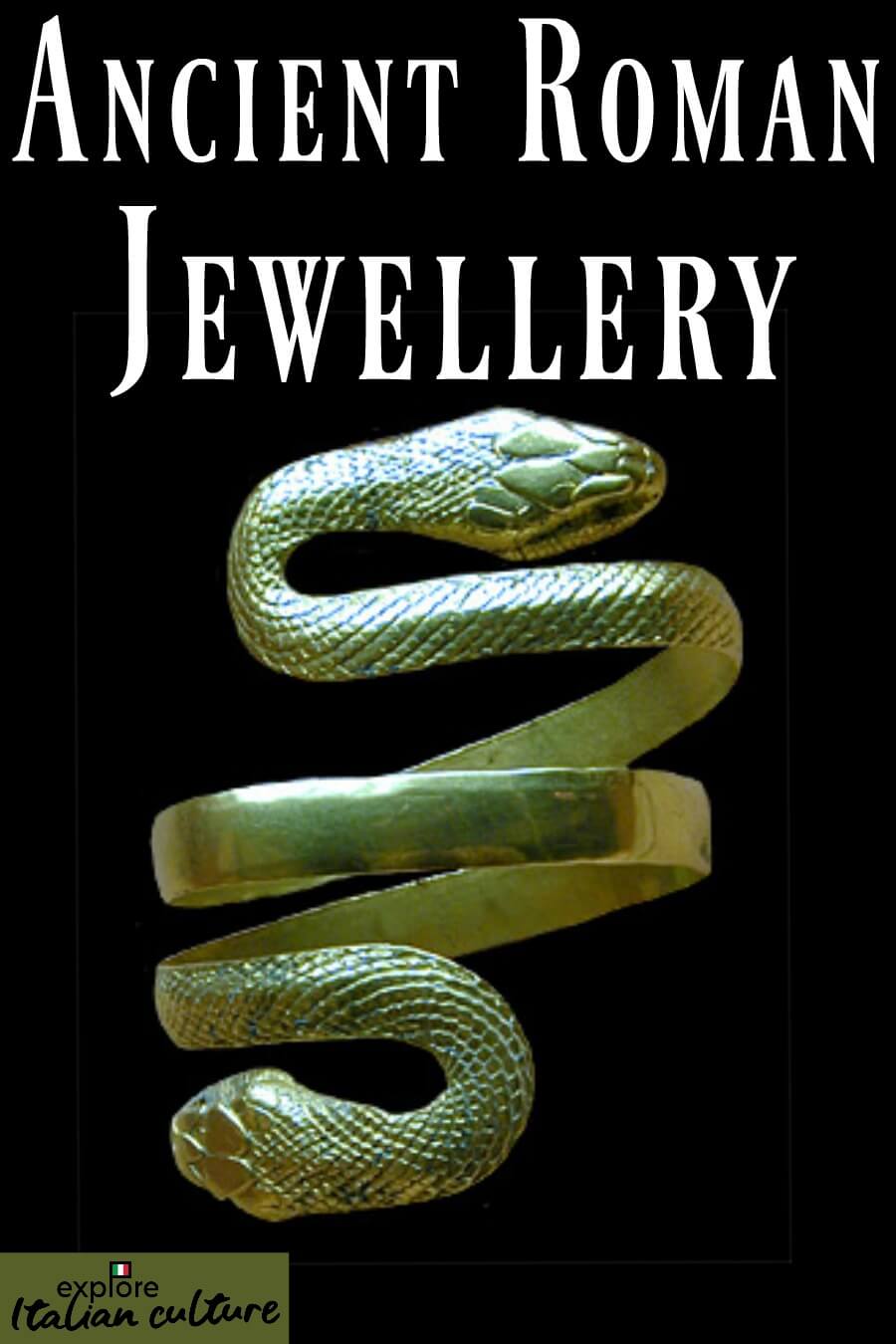
Ancient Roman Jewelry: Wearing Your Status
In ancient Rome, what you wore said a lot about who you were. Jewelry was a powerful symbol of wealth, status, and identity. Romans loved their accessories — rings, necklaces, bracelets, earrings, and brooches were all popular.
Our page on ancient Roman jewelry dives into the styles, materials, and meanings behind Roman adornment. You'll be amazed at how sophisticated and beautiful Roman jewelry actually was.
Gold, silver, gemstones, and even glass were used to create stunning pieces that have survived for thousands of years. Some Roman jewelry styles look surprisingly modern — you might even spot something similar in a jewelry store today.
Understanding Roman jewelry is a great way to connect with the personal and intimate side of ancient Roman society and customs.
Life in Ancient Rome:
Culture, Rituals and Events
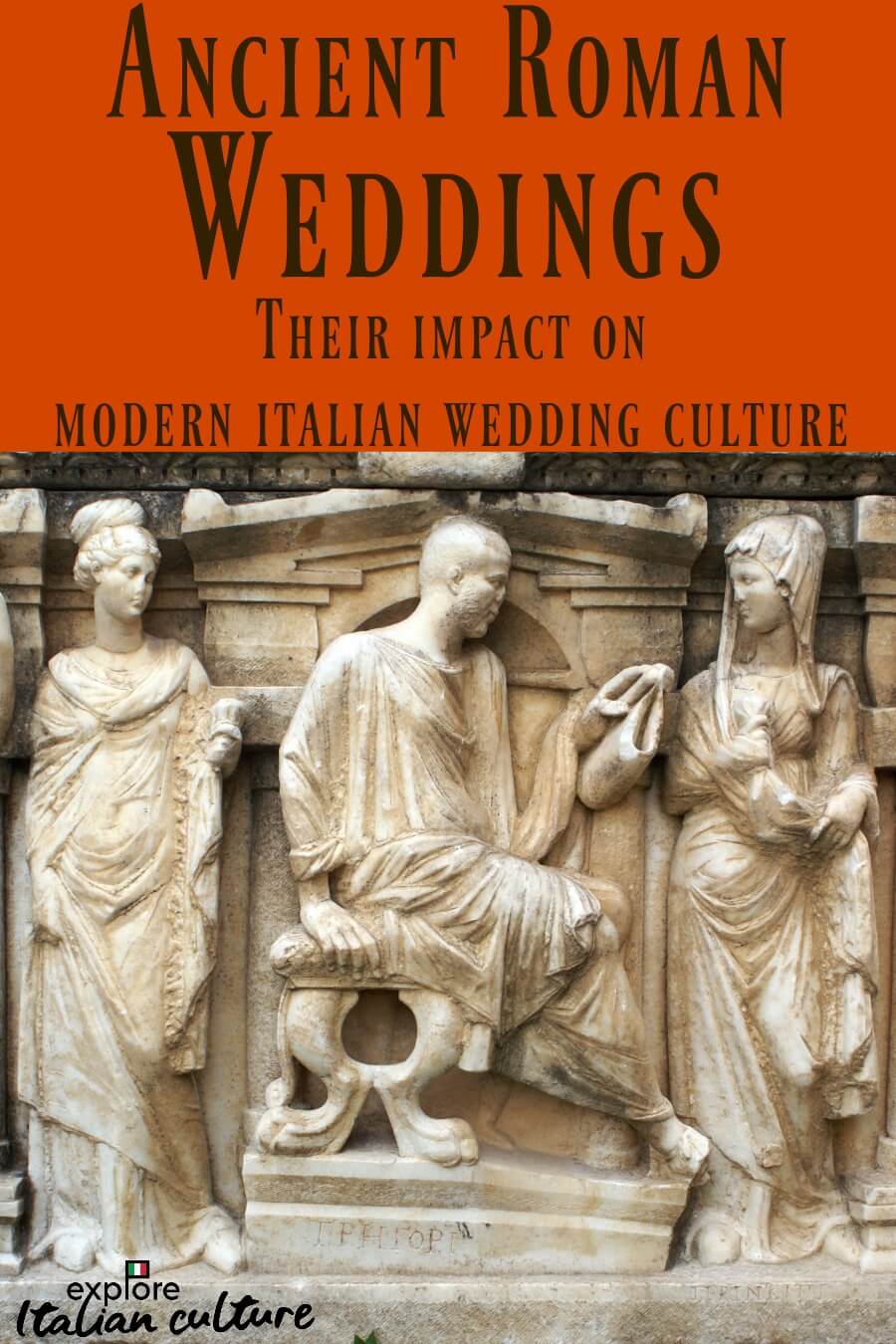
Ancient Roman Weddings: A Celebration Like No Other
Roman weddings were elaborate, multi-day affairs full of ritual, symbolism, and celebration. They were a big deal — not just for the couple, but for their families and the wider community.
Our page on ancient Roman weddings gives you the full picture of how these ceremonies unfolded, from the preparations to the procession to the feast that followed.
One of the most interesting things about Roman weddings is how many of their traditions have survived into modern times. The white dress, the veil, the wedding ring — these all have roots in ancient Rome.
So if you've ever been to a wedding, you've experienced a little piece of Roman culture without even knowing it. That's one of the coolest aspects of Ancient Rome — its influence is still all around us.
Ancient Roman Marriage: The Legal and Social Side
Marriage in ancient Rome was about much more than love — it was a legal, social, and economic institution.
Our page on ancient Roman marriage explores the different types of marriage that existed, the legal rights and responsibilities of husbands and wives, and how marriage fit into the broader structure of Roman society. It's a fascinating look at how relationships were organized in the ancient world.
Roman marriage laws were surprisingly complex. Women had more rights in some periods of Roman history than you might expect, though they were still far from equal to men.
Divorce was also relatively common and straightforward by ancient standards. Understanding Roman marriage helps you see how ancient Roman society and customs shaped the lives of real people in very personal ways.
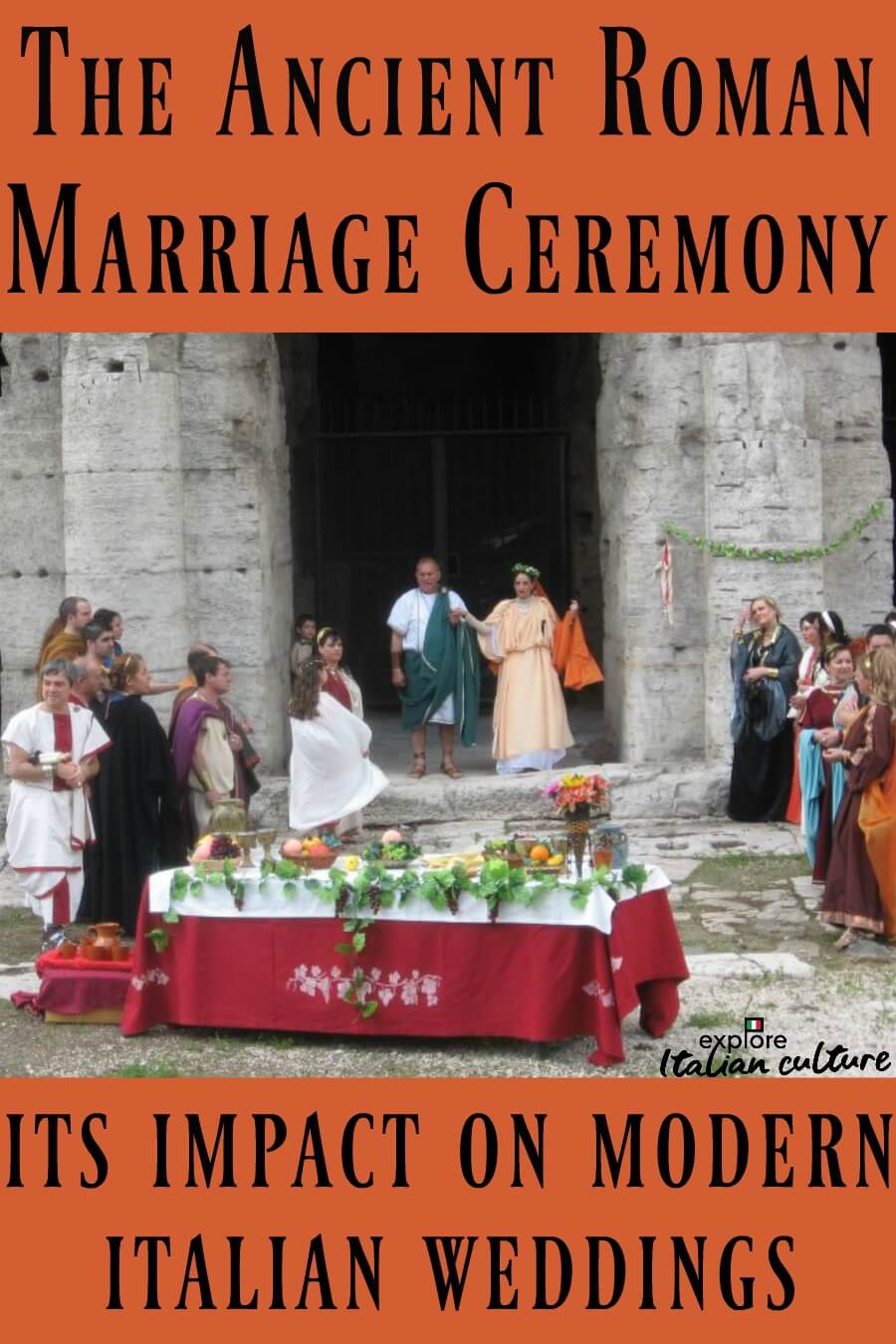
Ancient Roman Bridal Fashion: Dressed for the Occasion
What did a Roman bride actually wear on her wedding day? The answer is more specific — and more interesting — than you might think. Roman brides followed very precise dress codes that were full of symbolic meaning.
Our page on ancient Roman bridal fashion breaks down every element of the bridal outfit, from the distinctive flame-colored veil to the special knot in her belt.
The Roman bride's outfit wasn't just about looking beautiful — every piece had a purpose and a meaning. The flame-colored veil, called the flammeum, was one of the most important elements.
The special knot tied in the bride's belt, known as the "knot of Hercules," was meant to bring good luck and fertility. These details give us a wonderful glimpse into the beliefs and values of Roman culture.
Life in Ancient Rome:
Culture, Rituals and Events
Ancient Rome Groom Clothing: What the Groom Wore
While the bride got most of the attention, the Roman groom also had specific clothing traditions to follow.
Our page on ancient Rome groom clothing explores what men wore on their wedding day and what these choices said about their status and intentions. It's a smaller but equally interesting piece of the Roman wedding puzzle.
Roman grooms typically wore a toga — but not just any toga. The type and quality of the toga worn on a wedding day carried social significance.
Understanding what the groom wore helps complete the picture of a Roman wedding and shows how deeply Romans thought about the symbolism of clothing and appearance in all aspects of life.
Ancient Roman Wedding Food: Feasting After the Ceremony
No Roman celebration was complete without food, and weddings were no exception. The wedding feast was a central part of the celebration, and the food served had both practical and symbolic importance.
Our page on ancient Roman wedding food explores what was on the menu, how the feast was organized, and what certain foods meant in the context of a Roman wedding.
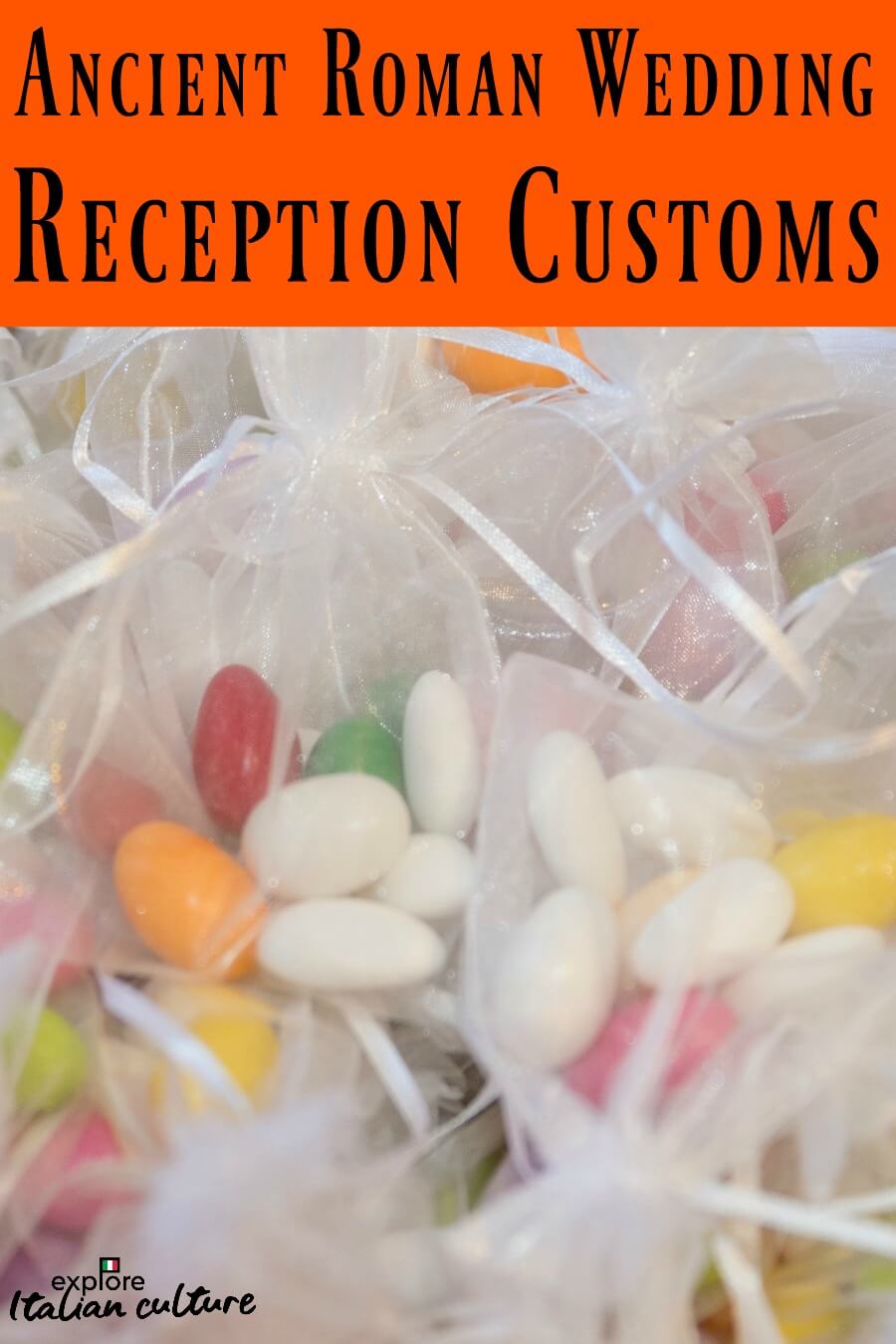
Romans loved to eat and drink, and wedding feasts could be lavish affairs. Honey, nuts, and special cakes all played a role in the wedding meal, each carrying symbolic meaning related to fertility, prosperity, and good fortune.
Even the way food was shared and distributed at the feast followed specific customs. It's a delicious window into Roman ritual and belief.
Bridesmaid Duties in Ancient Rome: A Very Important Role
Think being a bridesmaid today involves a lot of work? Wait until you hear about bridesmaid duties in ancient Rome! Roman bridesmaids had very specific responsibilities that went well beyond just looking pretty in matching outfits.
Our page on bridesmaid duties in ancient Rome explains exactly what was expected of these important figures in the wedding ceremony.
Roman bridesmaids played a protective role, helping to ward off evil spirits and ensure the bride arrived safely at her new home. They dressed similarly to the bride to confuse any malevolent forces that might try to harm her.
This tradition is actually one of the origins of the modern custom of bridesmaids wearing matching dresses — a direct line from ancient Rome to today's weddings!
Life in Ancient Rome:
Culture, Rituals and Events
Connecting the Dots: How It All Fits Together
One of the most exciting things about exploring life in ancient Rome: culture, rituals and events is seeing how everything connects. The baths, the Colosseum, the weddings, the jewelry — they're all pieces of the same puzzle.
Together, they paint a picture of a society that was complex, vibrant, and deeply human. Each topic we've introduced here is a doorway into a richer understanding of the ancient world.
Ancient Roman society and customs weren't just about emperors and battles — though there was plenty of that too.
They were about ordinary people navigating their lives, celebrating milestones, enjoying entertainment, and making sense of the world around them. The more you dig into the details, the more relatable and real these ancient Romans become.
Why This All Still Matters
You might be wondering why any of this is relevant today. The answer is: more than you'd think. Roman law forms the basis of many modern legal systems. Roman architecture inspired buildings all over the world.
Roman wedding traditions are still practiced in modified forms at weddings today. Even the English language is full of Latin words and phrases that come directly from ancient Rome.
Life in ancient Rome: culture, rituals and events isn't just ancient history — it's the foundation of much of modern Western civilization.
Understanding aspects of Ancient Rome helps us understand ourselves. It shows us where our traditions come from, why we do the things we do, and how human nature has stayed remarkably consistent across thousands of years.
People in ancient Rome wanted the same things we want — security, community, celebration, meaning, and a good time. That's a pretty powerful connection across the centuries.
Life in ancient Rome: culture, rituals and events is a topic that rewards curiosity. The more you learn, the more questions you'll have — and that's a sign that you're really engaging with history.
So pick a topic that interests you, click through, and start exploring. Ancient Rome is waiting for you, and trust us — it's well worth the trip back in time!
Space-Saving Compression Packing Cubes for Travel Essentials!
Simply zip the compression zippers to reduce volume—no extra tools needed. Maximize luggage space efficiently!
Click here for availability and best price!
 Space Saving Compression Packing Cubes
Product of the Month
Portable Charger, Small Travel Power Bank!

Flight safe, fast charging, portable power charger!
CLICK HERE TO VISIT OUR
ITALIAN ETIQUETTE CHEAT SHEET INFORMATION PAGE.
CLICK HERE TO DISCOVER A HIDDEN SIDE OF ROME -
Tips From An Insider!
Recent Articles


-
Things To Do In Venice - Plus Hidden Gems Off The Beaten Path
Sep 22, 26 02:58 AM
 Discover unique things to do in Venice off the beaten path, as well as the major sights and attractions you shouldn't miss!
 -
The Colosseum in Rome: enjoy one of the best sites to visit in Italy
Sep 08, 26 04:15 AM
 Planning to visit the Colosseum in Rome but not sure where to start? Here are our insider tips on this well-known Roman building to make your visit special.
 -
The Drinking Fountains Of Rome 2026. Safe, Free and Historic!
Sep 08, 26 03:31 AM
 The public drinking fountains of Rome are free, healthy, and a good way to save money. Here's what they are and where to find them.